
Anxiety doesn’t wait for a convenient time. It shows up in sleepless nights, racing thoughts, and days that feel harder than they should. For many people, it chips away at focus, mood, and the ability to simply get through a routine.
Madison residents know this pressure well. Work deadlines, family demands, academic stress, and the daily grind pile up fast. When conventional approaches feel incomplete, more people turn to complementary options. Acupuncture for anxiety in Madison has become one of those options — a traditional Chinese medicine practice gaining attention for its potential role in relaxation and stress management.
This isn’t a promise of a cure. Research on acupuncture remains limited, and results vary from person to person. But for those building a broader anxiety-management plan, acupuncture may be worth a closer look.
What Is Acupuncture, and How Does It Work?
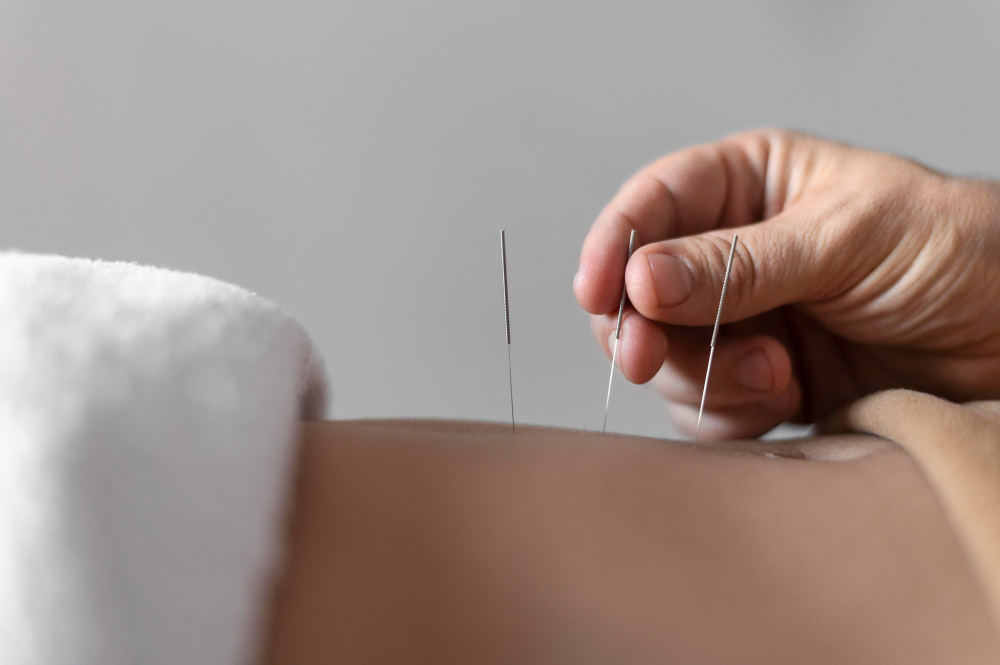
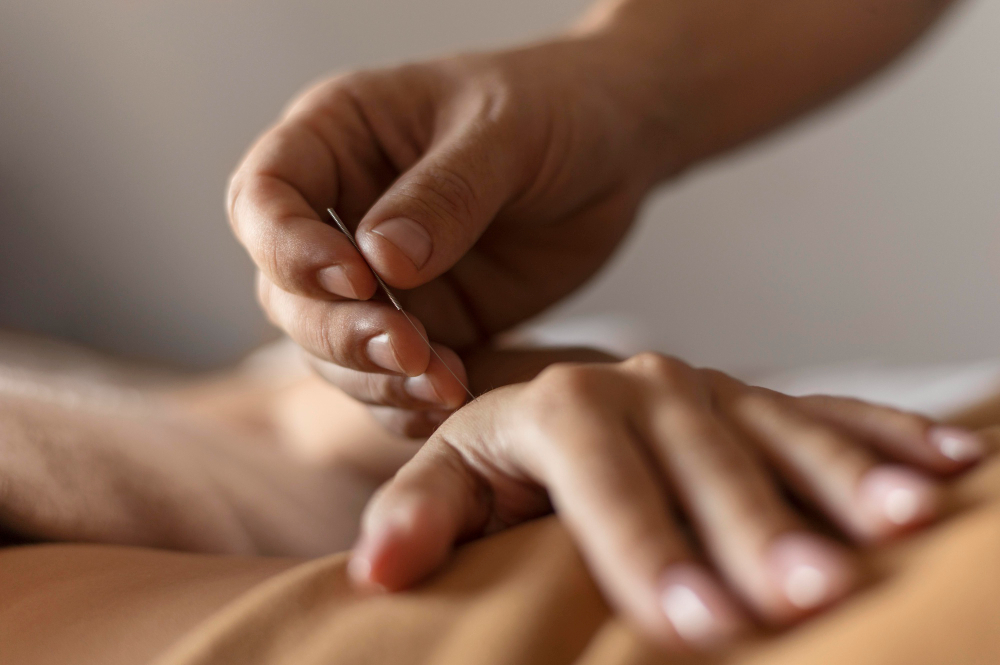
Acupuncture is simple in concept, precise in execution. Practitioners insert very fine needles at specific points on the body. That’s the foundation.
Understanding Traditional Chinese Medicine
The practice traces back centuries to traditional Chinese medicine. Treatment plans aren’t one-size-fits-all. A practitioner assesses each individual and adjusts the approach based on their needs, symptoms, and goals.
What Does Modern Research Say?
Researchers are actively studying how acupuncture may influence the nervous system and other bodily processes. The exact mechanisms aren’t fully understood yet. What’s clear: acupuncture isn’t a guaranteed fix for anxiety, and no responsible provider should claim otherwise.
Potential Benefits of Acupuncture for Anxiety in Madison
Why consider acupuncture at all? A few reasons stand out.
Supporting Relaxation and Stress Management
Many people find acupuncture sessions genuinely relaxing. A quiet room. Dedicated time. A break from constant notifications and obligations. That alone can feel restorative.
Helping Manage Anxiety-Related Tension
Anxiety often travels with physical tension — tight shoulders, clenched jaws, a restless body. Acupuncture may offer a complementary way to address that tension. It won’t resolve these symptoms outright, but it can be part of the picture.
Creating Time for Mind-Body Wellness
Scheduled appointments build structure. Structure builds habit. Over time, that habit can translate into a more consistent self-care routine — something anxiety often disrupts.
Complementing an Individualized Wellness Plan
Acupuncture works best alongside evidence-based care, not in place of it. The right combination depends entirely on individual needs and preferences.
According to the National Center for Complementary and Integrative Health (NCCIH), some studies suggest acupuncture may reduce anxiety symptoms. But the overall evidence isn’t strong enough to call it a proven treatment for anxiety disorders. Realistic expectations matter here.
What to Expect During an Acupuncture Session for Anxiety
First-time visits raise questions. Here’s what typically happens.
Initial Consultation
Expect a conversation first. Health history. Current symptoms. Medications. Wellness goals. This is the time to share concerns about needles or past treatment experiences. A qualified practitioner reviews all of it before determining whether acupuncture fits.
During the Treatment
Fine, sterile, single-use needles go in at selected points. Sensations vary — some people feel nothing notable, others experience mild discomfort or temporary soreness. Throughout, the patient stays in a comfortable position.
After the Session
Pay attention to how the body responds. Communicate any side effects to the practitioner. Experiences differ widely, and one session alone may not produce a noticeable shift. Patience matters.
Is Acupuncture a Safe Option for Anxiety Relief?
Safety starts with the practitioner. Acupuncture performed by a properly trained provider using sterile, single-use needles is generally considered safe.
Minor effects can occur — temporary soreness, slight bleeding, or bruising at needle sites. Improperly performed acupuncture carries more serious risk, which makes practitioner qualifications non-negotiable.
Before starting treatment, disclose pregnancy, bleeding disorders, existing medical conditions, and current medications. A conversation with a healthcare professional before beginning acupuncture is a smart first step. The NCCIH offers additional information on acupuncture safety and effectiveness for anyone wanting a deeper dive.
Combining Acupuncture With Other Anxiety-Management Strategies
Anxiety rarely responds to a single approach. A comprehensive plan works better.
Professional mental health support. Psychotherapy, including cognitive behavioral therapy, remains an established treatment for anxiety disorders.
Mindfulness and breathing exercises. These build relaxation skills that carry into daily life.
Healthy routines. Regular physical activity, consistent sleep, and balanced daily habits support overall well-being.
Coordinated care. Keep every healthcare provider informed about complementary treatments in use, acupuncture included.
Acupuncture should never replace prescribed medication, psychotherapy, or other recommended care without direct guidance from a treating clinician. It complements — it doesn’t substitute.
Why Madison Residents May Consider Acupuncture for Anxiety
Madison, Wisconsin residents face the same daily pressures as anyone else — work, family, school, life. Many are actively searching for complementary approaches to manage stress and support personal wellness.
Choosing a practitioner matters as much as choosing the treatment. Look at qualifications. Look at experience. Look at communication style and safe treatment practices. These details separate a worthwhile experience from a disappointing one.
Acupuncture Herbal MD offers a local option for Madison residents ready to learn more about acupuncture services.
About Acupuncture Herbal MD
Acupuncture Herbal MD provides acupuncture and traditional Chinese medicine services for individuals exploring complementary approaches to health and wellness. Dr. Zhou’s Acupuncture and Wellness Center is located at 6425 Normandy Lane in Madison, Wisconsin. The clinic shares information on acupuncture, herbal medicine, and other traditional wellness services. Madison residents interested in exploring acupuncture for anxiety can contact the clinic directly to discuss concerns, learn about available services, and determine whether an appointment fits their needs.
Finding the Right Approach for Your Anxiety
Anxiety management is personal. No single method works for everyone, and the strongest plans often combine professional care, healthy habits, and carefully chosen complementary approaches. Acupuncture for anxiety in Madison may be one piece of that plan — not a replacement for proven treatment, but a potential addition worth discussing with a qualified provider. Interested in learning more about acupuncture for anxiety in Madison? Contact Acupuncture Herbal MD to discuss your wellness goals and explore whether acupuncture may be an appropriate complement to your current care.
FAQs
Can acupuncture help with anxiety?
Some studies suggest acupuncture may help reduce anxiety symptoms for certain individuals. The evidence isn’t strong enough to call it a proven standalone treatment, so it’s best considered as a complementary approach alongside established care.
How many acupuncture sessions are needed for anxiety?
The number of sessions varies by individual and depends on the practitioner’s assessment. Some people notice changes early; others need more time. A clinic can outline a realistic plan after an initial consultation.
Is acupuncture painful?
Sensations differ from person to person. Many describe mild discomfort or a brief pinch during needle insertion, while others feel very little. Temporary soreness afterward is possible but typically minor.
How long does it take to notice benefits from acupuncture?
Timelines vary widely. Some people feel a shift in relaxation after a single session; others need multiple sessions before noticing changes. One visit alone may not produce a noticeable difference.
Can acupuncture replace anxiety medication or therapy?
No. Acupuncture should complement, not replace, prescribed medication, psychotherapy, or other recommended treatments. Any changes to existing care should involve the treating clinician.