


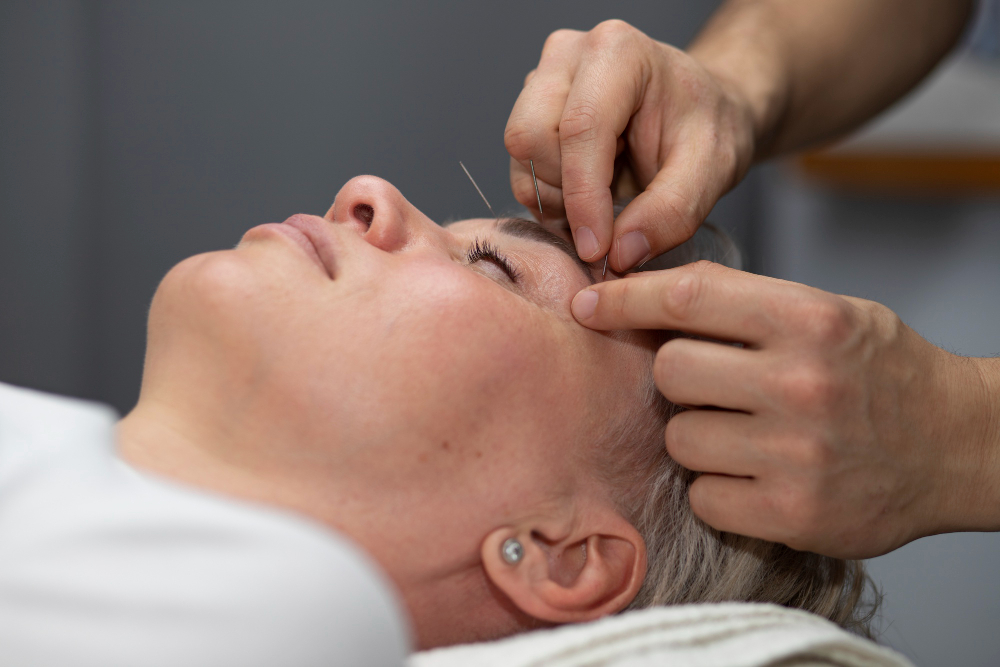
Migraines and chronic headaches don’t just hurt. They disrupt work, derail sleep, and make concentration nearly impossible. For many people, these episodes become a recurring obstacle to everyday life.
Conventional care remains the foundation of migraine management. But a growing number of people explore complementary therapies alongside their existing treatment plans. Acupuncture is one of the most researched options among them.
Acupuncture is a traditional therapy that involves inserting very thin needles into specific points on the body. Practitioners have used this approach for centuries, and modern interest in acupuncture for migraines continues to grow as more people search for additional tools to manage their symptoms.
Madison residents exploring complementary headache-management options deserve clear, accurate information. This guide covers the potential benefits, realistic limitations, and what an acupuncture treatment plan actually looks like.
Understanding Migraines and Chronic Headaches
What Is a Migraine?
A migraine is a neurological episode. It often causes moderate to severe, throbbing head pain that can last for hours or days.
Migraines rarely travel alone. Nausea, sensitivity to light or sound, and visual or sensory disturbances known as aura frequently accompany the pain. Symptoms and triggers vary significantly from person to person — what sets off one person’s migraine may have no effect on another’s.
How Are Chronic Headaches Different?
Tension-type headaches typically cause pressure or tightness around the head, rather than the throbbing pain associated with migraines.
Chronic migraine is a specific diagnosis. It generally involves headaches on 15 or more days per month, with migraine features present on at least eight of those days, for more than three months.
If your headaches are frequent, changing, or unpredictable, seek a medical evaluation. Self-diagnosis can delay proper treatment.
How Does Acupuncture for Migraines Work?
An acupuncture practitioner places fine needles at selected points based on an individual assessment and treatment plan. No two sessions look exactly alike.
Researchers have proposed several mechanisms behind acupuncture’s effects on migraine symptoms. These include influences on pain-processing pathways, the nervous system, and the body’s natural pain-modulation systems. Scientists are still studying exactly how acupuncture may affect migraine activity, and research in this area continues to evolve.
Treatment is individualized. Needle placement, session frequency, and overall treatment plans differ from patient to patient based on symptoms, history, and goals.
Acupuncture is not a cure for migraines. It does not work equally well for everyone, and results vary widely between individuals.
Potential Benefits of Acupuncture for Migraine and Headache Management
May Help Reduce Migraine Frequency
Some evidence suggests acupuncture may reduce the frequency of migraine attacks for certain people, particularly when used as a preventive approach over time. Results vary from patient to patient, and improvements often take weeks or months to become noticeable rather than appearing after a single session.
May Support Headache Pain Management
Acupuncture may help some people manage headache-related discomfort as part of a broader care plan. It’s important to distinguish potential symptom relief from treating the underlying cause of every headache — acupuncture addresses how a person experiences pain, not necessarily what triggers it.
May Help with Stress and Relaxation
Stress is a known migraine trigger for many people. Acupuncture sessions are often described as relaxing, and many patients report feeling calmer during and after treatment. This doesn’t mean stress reduction guarantees migraine prevention, but reducing one contributing factor may support a broader management strategy.
May Complement an Existing Treatment Plan
Acupuncture works best alongside appropriate medical care. Prescribed medication, regular sleep, consistent hydration, and other recommended strategies remain central to effective migraine management. Acupuncture can be considered as an addition to that plan, not a replacement for it.
What to Expect During an Acupuncture Session in Madison
Initial consultation. Your practitioner will discuss your headache history, frequency, symptoms, possible triggers, current medications, and treatment goals.
Treatment planning. Based on your consultation, the practitioner determines whether acupuncture is appropriate for you and develops an individualized plan.
The session. Practitioners use sterile, single-use needles. You may experience mild tingling, pressure, or temporary soreness at the needle sites.
Aftercare. Some people feel relaxed or tired after treatment. Responses vary — pay attention to how your body reacts over the following days.
Before booking, ask about practitioner qualifications, hygiene practices, costs, and expected treatment frequency. A qualified practitioner will answer these questions directly.
How Many Acupuncture Sessions Are Needed for Migraines?
The number of sessions needed depends on your symptom patterns, treatment goals, medical history, and how you respond to early treatments. There’s no universal answer.
Migraine-prevention research often examines a course of multiple treatments rather than evaluating results from a single visit. Discuss a realistic schedule with a qualified practitioner rather than expecting immediate results.
Keeping a headache diary can help. Record headache days, symptom severity, medication use, and possible triggers to track progress over time and share meaningful data with your practitioner.
Is Acupuncture Safe for People with Migraines?
Acupuncture is generally considered low-risk when performed by a properly trained practitioner using sterile, single-use needles. Most people tolerate treatment well.
Possible minor effects include temporary soreness, bruising, or slight bleeding at needle sites. Disclose pregnancy, bleeding disorders, use of blood-thinning medication, and any relevant medical conditions before treatment begins.
Some symptoms require urgent medical attention rather than acupuncture. Sudden, severe headaches, or headaches accompanied by weakness, confusion, fainting, fever with a stiff neck, or new vision or speech difficulties need immediate evaluation. Acupuncture should never replace prescribed treatment or delay necessary medical care.
Exploring Acupuncture for Migraines in Madison, WI
If you’re researching complementary headache-management options, a qualified local acupuncture practitioner can help you understand whether this approach fits your situation. Finding the right fit for acupuncture for migraines in Madison starts with the right questions.
Ask about the practitioner’s training, their experience treating headache concerns specifically, how they build individualized treatment plans, and how they coordinate with other healthcare professionals involved in your care.
Contact Acupuncture Herbal MD to ask about services, practitioner qualifications, availability, and whether an initial consultation makes sense for your symptoms.
About Acupuncture Herbal MD
Acupuncture Herbal MD provides acupuncture and complementary care services to the Madison, Wisconsin area. Our practitioners work with patients on individualized treatment plans for a range of concerns, including headache and migraine management. If you’re considering acupuncture as part of your headache-management strategy, contact us to discuss your symptoms and find out whether an appointment is the right next step. [Visit our services page to learn more or schedule a consultation.]
Finding the Right Approach for Your Migraines
Acupuncture may be a useful complementary option for some people living with migraines or recurring headaches. Results vary, and realistic expectations matter as much as the treatment itself.
Qualified care and an individualized approach make the difference. If you’re in Madison and dealing with frequent or disruptive headaches, talk to an appropriate healthcare professional about your symptoms and the treatment options available to you. Contact Acupuncture Herbal MD today to learn more about our services and find out if acupuncture could support your migraine management plan.
FAQs
Can acupuncture help with migraines?
Acupuncture may help reduce migraine frequency and support symptom management for some people, particularly as a preventive approach used alongside conventional care. Results vary, and it is not a guaranteed solution for everyone.
Is acupuncture effective for chronic headaches?
Some people with chronic headaches report benefits from acupuncture, including reduced frequency or improved pain management. Effectiveness depends on the individual, the type of headache, and the overall treatment plan.
How long does it take for acupuncture to help migraines?
Timelines vary widely. Many patients don’t notice changes after a single session — improvements, when they occur, often develop gradually over a course of multiple treatments.
Does acupuncture hurt?
Most patients report minimal discomfort. You may feel mild tingling, pressure, or brief soreness at needle sites, but acupuncture needles are much thinner than medical injection needles.
Can I continue taking migraine medication while receiving acupuncture?
Many people use acupuncture alongside prescribed medication. Always discuss any complementary therapy with your healthcare provider before making changes to your treatment plan.