


Natural ways to relieve chronic back pain have become increasingly popular as more people look for holistic wellness habits that support long-term comfort, mobility, posture, and relaxation.
Chronic back pain affects millions of people every year.
For some, the discomfort appears after long hours sitting at a desk. For others, it may develop from physical labor, sports injuries, poor posture, stress, aging, or repetitive strain.
Back pain can impact nearly every part of daily life.
Simple activities like sleeping, walking, exercising, driving, or even sitting comfortably may become difficult when tension and stiffness build up over time.
Many people search for natural ways to support relief and improve overall comfort without relying entirely on aggressive treatments.
Fortunately, a combination of healthy lifestyle habits, movement, wellness routines, posture awareness, stretching, massage, acupuncture, and relaxation techniques may help support a healthier and more balanced body.
In this guide, we’ll explore natural approaches that many people use as part of their long-term back wellness routines.
People searching for natural ways to relieve chronic back pain are often looking for sustainable wellness habits that support mobility, posture, relaxation, and long-term physical comfort.
Affiliate Disclosure: This article may contain affiliate links. If you purchase products through these links, we may earn a small commission at no additional cost to you.
Understanding Chronic Back Pain and Natural Relief Approaches
Back pain is extremely common.
The spine, muscles, ligaments, joints, and surrounding tissues work together constantly throughout the day.
Long periods of sitting, lifting, stress, poor posture, repetitive movement, lack of exercise, and poor sleep may all contribute to muscle tension and ongoing physical discomfort over time.
In many cases, back discomfort develops gradually over time.
Modern lifestyles often place significant strain on the body.
Hours spent using phones, laptops, and office chairs may create muscle imbalances and tension patterns that affect posture and mobility.
Stress may also contribute to physical tightness, especially around the shoulders, neck, and lower back.
Many people searching for natural ways to relieve chronic back pain are often interested in combining movement, posture improvements, relaxation techniques, massage therapy, and healthier daily wellness habits.
Improving Posture Habits
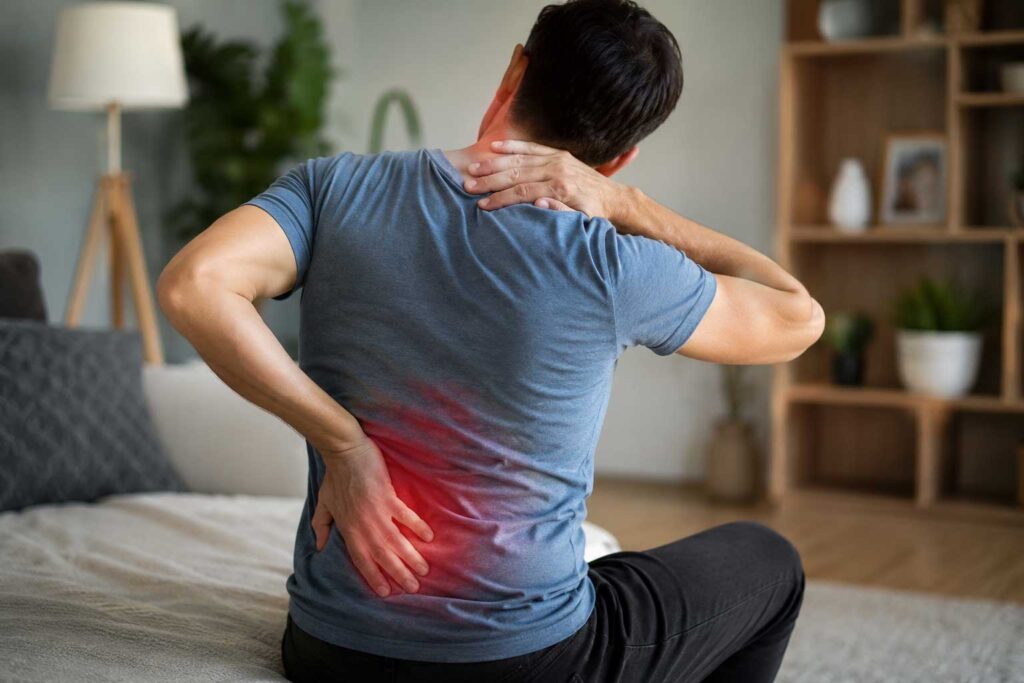
Poor posture is one of the most common contributors to ongoing back discomfort.
Many people spend large portions of the day leaning forward toward screens, hunching over desks, or sitting without proper support.
Over time, these habits may place extra pressure on the spine and surrounding muscles.
Improving posture often begins with simple awareness.
Helpful posture habits may include:
| Posture Habit | Why It Helps |
|---|---|
| Sitting upright | Supports spinal alignment |
| Using lumbar support | Reduces lower back strain |
| Keeping screens at eye level | Minimizes neck tension |
| Taking movement breaks | Prevents stiffness |
| Standing evenly | Improves body balance |
| Avoiding slouching | Reduces muscle stress |
Small daily posture improvements may create noticeable long-term benefits.
Some people also use ergonomic wellness products throughout the workday to help encourage healthier posture and reduce unnecessary strain.
| Product | Best For | Check Price |
|---|---|---|
| Ergonomic Office Chair | Daily posture support | Check Price on Amazon |
| Standing Desk Converter | Reducing sitting time | Check Price on Amazon |
| Foot Rest | Better sitting posture | Check Price on Amazon |
| Posture Corrector | Posture awareness | Check Price on Amazon |
| Laptop Stand | Reducing neck strain | Check Price on Amazon |
Gentle Stretching and Mobility
Stretching is one of the most popular natural wellness habits for supporting mobility and flexibility.
Gentle stretching may help reduce tightness that develops from long periods of inactivity or repetitive movement.
Many people enjoy simple daily stretching routines in the morning or evening.
Many stretching routines focus on areas such as the hips, hamstrings, lower back, shoulders, chest, and neck where tightness commonly develops from sitting and repetitive daily movement.
Gentle movement practices such as yoga and mobility exercises may also help support flexibility and body awareness.
Consistency is often more important than intensity.
Even a short 10–15 minute stretching routine may help the body feel more relaxed and mobile.
Stretching routines remain one of the most common natural ways to relieve chronic back pain because they may help support flexibility, posture awareness, and mobility over time.
Gentle mobility routines and daily stretching habits may help support long-term flexibility and posture awareness.
Many people also enjoy simple mobility tools that help support stretching and recovery-focused movement routines at home.
| Mobility Tool | Best For | Check Price |
|---|---|---|
| Yoga Mat | Stretching routines | Check Price on Amazon |
| Stretch Strap | Flexibility exercises | Check Price on Amazon |
| Pilates Ball | Core support exercises | Check Price on Amazon |
| Foam Roller Set | Recovery and mobility | Check Price on Amazon |
Staying Physically Active
While rest is important during periods of discomfort, too much inactivity may sometimes increase stiffness.
Many wellness professionals encourage gentle movement and regular activity as part of maintaining long-term mobility.
Popular low-impact activities often include walking, swimming, light cycling, yoga, tai chi, and gentle stretching routines that encourage mobility without placing excessive strain on the body.
For many people, regular low-impact movement becomes one of the most sustainable natural ways to relieve chronic back pain while supporting overall mobility and circulation.
Walking in particular remains one of the simplest and most accessible forms of daily movement.
For many people, gentle daily movement becomes an important part of maintaining long-term mobility and overall physical comfort.
Regular physical activity may help support circulation, flexibility, posture awareness, mobility, and overall muscle balance throughout the body.
The Role of Stress and Tension
Many people underestimate how much emotional stress may affect the body physically.
Stress often contributes to muscle tension, especially around the shoulders, neck, upper back, jaw, and lower back where physical tightness commonly accumulates during stressful periods.
Busy schedules, poor sleep, anxiety, and mental fatigue may all influence physical tightness.
This is one reason why relaxation practices are often included in wellness routines focused on comfort and recovery.
Many people find that reducing stress helps the body feel looser and more balanced overall.
Many wellness experts also encourage stress reduction habits that support both mental and physical relaxation.
In many cases, people do not realize how closely emotional stress and physical tension may become connected over time.
Relaxation Techniques That May Help
Relaxation routines can play an important role in supporting overall wellness.
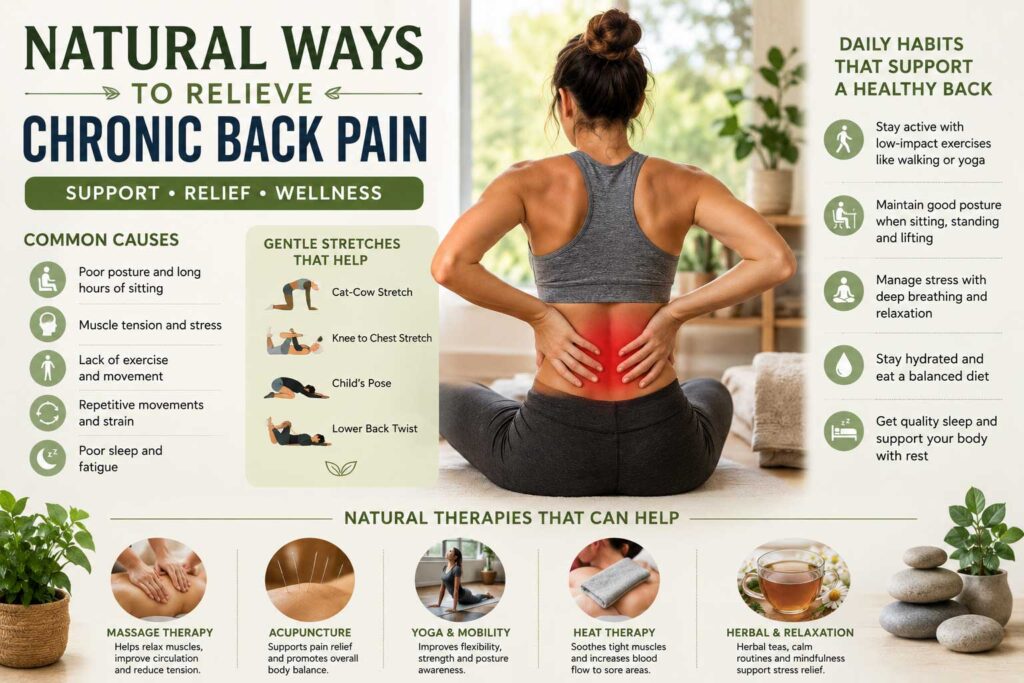
Stress reduction and relaxation habits are also commonly included among natural ways to relieve chronic back pain because emotional tension may influence physical tightness throughout the body.
Popular calming practices include:
| Relaxation Habit | Why People Enjoy It |
| Deep breathing | Encourages calmness |
| Meditation | Supports mindfulness |
| Herbal tea | Creates relaxing rituals |
| Warm baths | Helps loosen muscles |
| Gentle stretching | Reduces tension |
| Massage | Promotes relaxation |
| Soft music | Creates calming atmosphere |
Many people combine several wellness habits together as part of evening recovery routines.
Traditional herbal wellness routines centered around calming teas and relaxation rituals have also remained popular for generations.
You can also explore traditional herbal wellness routines and relaxing tea rituals through herbal wellness resources.
Creating a calming recovery environment at home may help support relaxation-focused wellness routines and stress reduction habits.
| Product | Best For | Check Price |
|---|---|---|
| Essential Oil Diffuser | Relaxing atmosphere | Check Price on Amazon |
| Weighted Blanket | Evening relaxation | Check Price on Amazon |
| Herbal Tea Sampler | Calming nighttime rituals | Check Price on Amazon |
| Meditation Cushion | Mindfulness routines | Check Price on Amazon |
| Heating Wrap | Comfort and warmth | Check Price on Amazon |
Massage Therapy for Muscle Tension
Massage therapy remains one of the most popular wellness approaches for muscle tightness and physical stress.
Many people report feeling relaxed and refreshed after massage sessions.
Massage therapy may help support circulation, flexibility, muscle relaxation, stress reduction, and overall recovery-focused wellness routines.
Different massage styles focus on different goals.
Some people prefer gentle relaxation massage, while others enjoy deeper tissue-focused techniques.
Warm environments, calming music, and aromatherapy may further enhance the relaxation experience.
Some people also explore acupressure techniques as part of broader holistic wellness and relaxation routines.
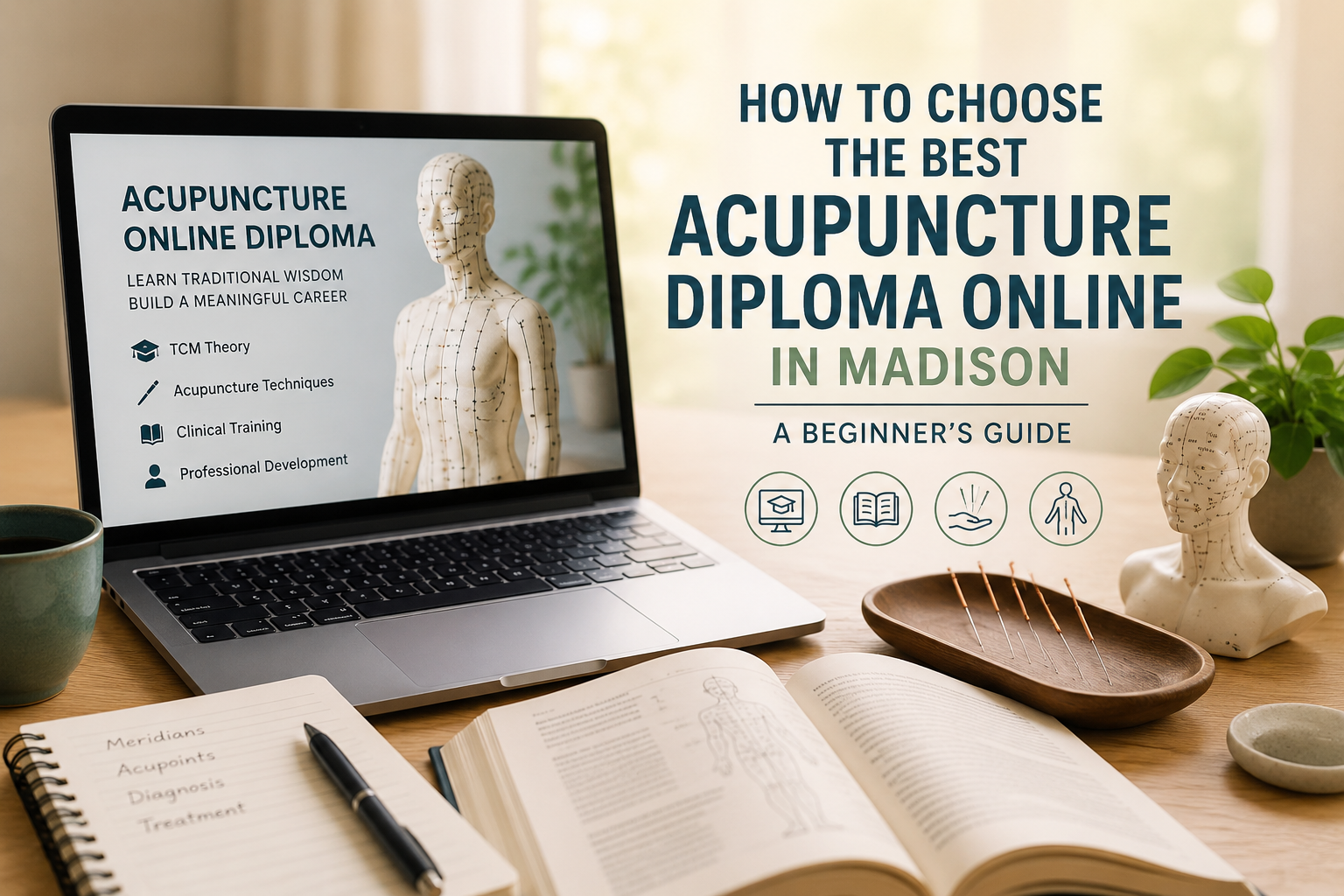
Acupuncture and Holistic Wellness
Acupuncture has been practiced for centuries as part of Traditional Chinese Medicine.
Today, many people include acupuncture within broader wellness and pain management routines.
Acupuncture sessions are often described as calming and restorative.
Many people enjoy the quiet atmosphere, relaxation, and individualized approach associated with holistic wellness clinics.
Many people combine acupuncture with massage therapy, stretching, herbal wellness routines, lifestyle improvements, and stress management practices as part of broader holistic wellness approaches.
A holistic approach often focuses on supporting the entire body rather than simply addressing isolated symptoms.
Many people interested in holistic wellness also enjoy learning more about traditional acupuncture practices and relaxation-focused wellness philosophies.
Heat Therapy and Warm Compresses
Warmth is commonly used to help create a relaxing sensation around tight muscles.
Many people use heating pads, warm baths, hot water bottles, warm towels, and sauna sessions to help create soothing warmth around tight or tense muscles.
Heat is especially popular during colder months when stiffness tends to increase.
Creating a comfortable recovery environment at home may help support daily wellness routines.
Sleep and Recovery Habits
Sleep plays a major role in how the body feels physically.
Poor sleep habits may contribute to fatigue, muscle tension, reduced recovery, and increased physical stiffness over time.
Simple habits that may support better rest include:
| Sleep Habit | Why It Matters |
| Consistent bedtime | Supports routine |
| Reducing screens at night | Encourages relaxation |
| Comfortable mattress | Supports alignment |
| Supportive pillow | Helps posture |
| Relaxing evening routine | Reduces stress |
| Herbal tea before bed | Creates calming ritual |
Many people underestimate how much recovery and rest influence physical wellness.
Relaxing evening habits such as herbal tea rituals may also help create calmer nighttime routines.
Supportive Home Wellness Tools
Some wellness products may help create a more comfortable recovery environment at home.
Many people use simple wellness tools at home to support relaxation, mobility, posture awareness, and recovery-focused routines.
| Wellness Tool | Common Use |
| Heating pads | Warm muscle relaxation |
| Ergonomic chairs | Better posture support |
| Lumbar cushions | Lower back comfort |
| Foam rollers | Muscle recovery |
| Massage guns | Muscle relaxation |
| Stretch bands | Mobility exercises |
| Acupressure mats | Relaxation routines |
Many people enjoy building small wellness spaces at home focused on comfort and recovery.
| Product | Best For | Check Price |
|---|---|---|
| Heating Pad | Warm muscle relaxation | Check Price on Amazon |
| Foam Roller | Muscle recovery and mobility | Check Price on Amazon |
| Lumbar Support Cushion | Lower back posture support | Check Price on Amazon |
| Massage Gun | Muscle tension relief | Check Price on Amazon |
| Stretch Resistance Bands | Gentle mobility exercises | Check Price on Amazon |
Healthy Daily Habits for Long-Term Wellness
Small consistent habits often make the biggest difference over time.
Helpful wellness habits may include staying hydrated, walking regularly, stretching daily, maintaining healthy posture, reducing stress, taking screen breaks, improving sleep habits, and creating relaxing evening routines that support long-term consistency.
Consistency is often more sustainable than extreme short-term changes.
Many people also build mindfulness practices into their daily wellness routines to support relaxation and stress management.
Common Questions About Back Wellness
What Causes Chronic Back Tension?
Many factors may contribute to ongoing back discomfort including posture habits, repetitive movement, stress, lack of exercise, poor sleep, long sitting hours, and muscle imbalance.
Is Walking Good for Back Wellness?
Many people enjoy walking as part of their wellness routine because it is low-impact and accessible.
Gentle movement may help support circulation and mobility.
Why Does Stress Affect the Body Physically?
Stress often contributes to muscle tension, especially around the neck, shoulders, and back.
Relaxation techniques may help support overall physical comfort.
Can Wellness Routines Support Long-Term Comfort?
Many people combine stretching, movement, posture awareness, relaxation habits, massage, and holistic wellness practices together as part of ongoing self-care routines.
Professional massage therapy techniques are also commonly included in recovery-focused wellness routines.
What Are Natural Ways to Relieve Chronic Back Pain?
Many natural ways to relieve chronic back pain focus on posture improvement, stretching, regular movement, stress reduction, massage therapy, relaxation techniques, sleep quality, and healthy daily wellness habits.
While every person experiences chronic back pain differently, many natural ways to relieve chronic back pain focus on consistency, movement, relaxation, posture awareness, and gradual long-term lifestyle improvements.
Final Thoughts
Chronic back discomfort can affect both physical and emotional well-being.
Fortunately, many people find that consistent wellness habits, movement, posture awareness, relaxation techniques, massage therapy, and holistic approaches may help support a healthier and more balanced lifestyle.
Sometimes long-term wellness begins with small daily improvements.
A short walk, a stretching session, a warm bath, a calming herbal tea, or a few minutes of mindful breathing may all contribute to a more relaxed and comfortable routine over time.
Building healthier habits gradually often creates the most sustainable results.
For many people, long-term wellness is not about perfection, but about creating small daily routines that support greater comfort, balance, and overall quality of life.
For many people, managing chronic back pain naturally becomes part of building healthier long-term wellness routines centered around movement, recovery, balance, and stress reduction.
Even small consistent habits practiced over time may help create a healthier and more sustainable approach to overall well-being.