
Posts Tagged ‘Massage’

Qi Stimulation without Needles: Acupressure Brings Healing

Monday, April 12th, 2010

(NaturalNews: by Cathy Sherman) Acupressure has become increasingly popular in the west in recent years, though it has been used for centuries as a natural treatment for various diseases. A traditional technique of Chinese medicine, it is similar to acupuncture but less known.

The underlying theory is that there is an invisible force or energy, called qi in Chinese, which has healing power. There are many points, called acupoints or meridians, which connect to the glands of the body. In therapy, pressure is applied at specific points to increase the flow of the qi, in and around the body through the point network. Pressuring acupoints ensures normal qi circulation.

Once a therapist diagnoses a particular ailment by acupressure, he or she provides some acupoints to the patient. Self-applied acupressure is a free treatment which is quick and effective in providing relief from many disorders, a unique advantage. Its effectiveness increases with regular treatment, including self-treatment.

The wellness benefits of acupressure are many. Creating a sense of well-being, it helps provide relief from problems due to stress and tiredness. It helps the body heal its injuries, increases blood circulation, releases muscle tension and reduces back pain. Some of the diseases or disorders that have been mitigated by acupressure include diabetes, epilepsy, bronchitis, heart problems, digestive problems and many allergies. Relief of eye strain, sinus problems, arthritis, muscle aches, ulcer pain, menstrual cramps, nausea, constipation and indigestion have been reported. Acupressure can help in inducing pain-free labor during pregnancy and has been used in lieu of pain killers for minor surgery.

Acupressure has also been used to decrease swelling in the lower body caused by water retention. Massaging certain acupoints on the legs, feet and ankles helps to relieve such swelling by eliminating dampness; it can also help to strengthen the spleen and kidneys. This is important because these are the organs responsible for ensuring the right body fluid balance.

There is some anecdotal evidence that the swelling may be lessened by utilizing a “porcupine ball”, an exercise ball covered with spiked bumps. These bumps provide pressure to the body part massaged by the ball. In addition, there are abundant wood and plastic hand and foot massagers and other devices with pointed nubs to help a person treat himself. More study of the efficacy of such tools is needed, however.

Several techniques, or types of pressure, are used depending on the particular needs of a patient`s disorder. These vary from firm pressure to the more aggressive kneading of the muscles. Keep in mind that acupressure, like other Chinese medicine protocols, does not cure disease, but it works by bringing the body`s qi into a better flow, thus enabling the body to heal itself. It is also thought that a disruption in the qi flow can actually cause the problem, so restoring the flow ends the discomfort.

Several precautions must be taken before stimulating any point. Acupressure should be avoided after heavy exercise, meals and bathing, and if pregnant. Prescription drugs might interfere with the treatment. Also, if under treatment for cancer or high blood pressure, the doctor`s supervision is necessary.

If care is taken to follow the precautions, acupressure can be an adjunct to treatment or a self- administered help for many common complaints. Its non-invasive quality allows people to use it for free, anywhere, anytime. Even though its more illustrious relative, acupuncture, has been more fully researched and implemented, acupressure offers one alternative to try before opting for acupuncture. Depending on the complaint, it may be all that is needed.

Heal your child with Chinese massage

Friday, April 9th, 2010

By Cheong Poh Kwan, Multimedia Journalist

A baby boy who suffered from a condition known as spermatic cord hydrocele has had to live with abnormal swellings around his testicles since he was three months old.

But just before the boy was wheeled into the operation theatre, his mother took the advice of traditional Chinese medicine physician Tan Kiat Hwee and sent him for Chinese paediatric massage sessions

The boy was eventually spared the knife as he recovered fully after five months of massage.

The healing touch of Chinese paediatric massage has also helped children who suffer from other symptoms including fever, persistent cough, constipation, wry neck and many others.

Parents like Madam Eileen Yap also believe that Chinese paediatric massage has given her 11-year-old daughter a head start academically.

This information is brought to you by Dr. XiPing Zhou, M.D.O.M., L.Ac.Dr. Zhou is founder & president of East West Healing Arts Institute Massage School, Dr. Zhou’s Acupuncture & Pain Management Clinic,Madison Family Wellness Community Clinic,  The Herbal Palace, &China Delight Tours. Visit anyone of these websites to learn about Chinese medicine and culture

Alternative remedy use common among infertile

Friday, April 2nd, 2010

NEW YORK (Reuters Health) – A substantial number of American couples are looking beyond just state-of-the-art fertility treatments to therapies dating back centuries in hopes of improving their chances of conceiving a baby, according to new research.

More than a quarter of northern California couples followed in a study sought help from acupuncture, herbal therapy and massage-often as a complement to conventional conception strategies such as in vitro fertilization. Rates were especially high among wealthy, older couples.

“We suggest that couples struggling to achieve pregnancy are more likely to seek out any treatment that offers hope,” Dr. James Smith of the University of California, San Francisco, who led the study, told Reuters Health in an email.

The research is the first in the U.S. to quantify the use of complementary and alternative medicine for infertility-a problem that afflicts 7 to 17 percent of American couples, note the researchers in the journal Fertility and Sterility. Overall, studies have shown that up to 40 percent of Americans use such remedies for all conditions.

As a first step toward understanding what motivates a couple’s decision to pursue alternative remedies, Smith and his team recruited 428 couples from eight reproductive clinics and followed them via questionnaires and interviews over the next 18 months.

During this period, 29 percent of the couples reported using some form of complementary and alternative medicine: 22 percent underwent acupuncture, 17 percent took herbal therapy, 5 percent had body work such as chiropractic or massage, and 1 percent tried meditation.

With every five-year increase in the woman’s age, the chances of her and her partner pursuing at least one of these strategies rose by about 29 percent, even after accounting for factors such as having previous children and the use of other infertility treatments.

Couples earning more than $200,000 were nearly three times more likely to seek alternative remedies than were those with combined incomes less than $100,000.

In another study, not yet published, Smith and his colleagues calculated the total out-of-pocket infertility costs for couples using in vitro fertilization at $16,550. A visit to the acupuncturist runs about $100, added Smith.

“Couples with higher incomes were more likely to have the financial resources to seek out” complementary and alternative remedies, said Smith, emphasizing the relevance of “complementary” over “alternative” in this case.

Perhaps less surprising, couples failing to achieve pregnancy had a nearly two and a half-fold increased chance of using such remedies compared to those successfully conceiving, and partners that had a positive attitude about the effectiveness of alternative treatments were 85 percent more likely to try it.

The authors say the study’s design may limit whether their findings can be generalized to the larger population, because the couples were self-selected and there were low numbers of certain racial and ethnic groups. And, Smith said, the study was not designed to test whether such treatments are effective.

SOURCE: Fertility and Sterility, online March 24, 2010.

This information is brought to you by Dr. XiPing Zhou, M.D.O.M., L.Ac.Dr. Zhou is founder & president of East West Healing Arts Institute Massage School, Dr. Zhou’s Acupuncture & Pain Management Clinic,Madison Family Wellness Community Clinic,  The Herbal Palace, &China Delight Tours. Visit anyone of these websites to learn about Chinese medicine and culture

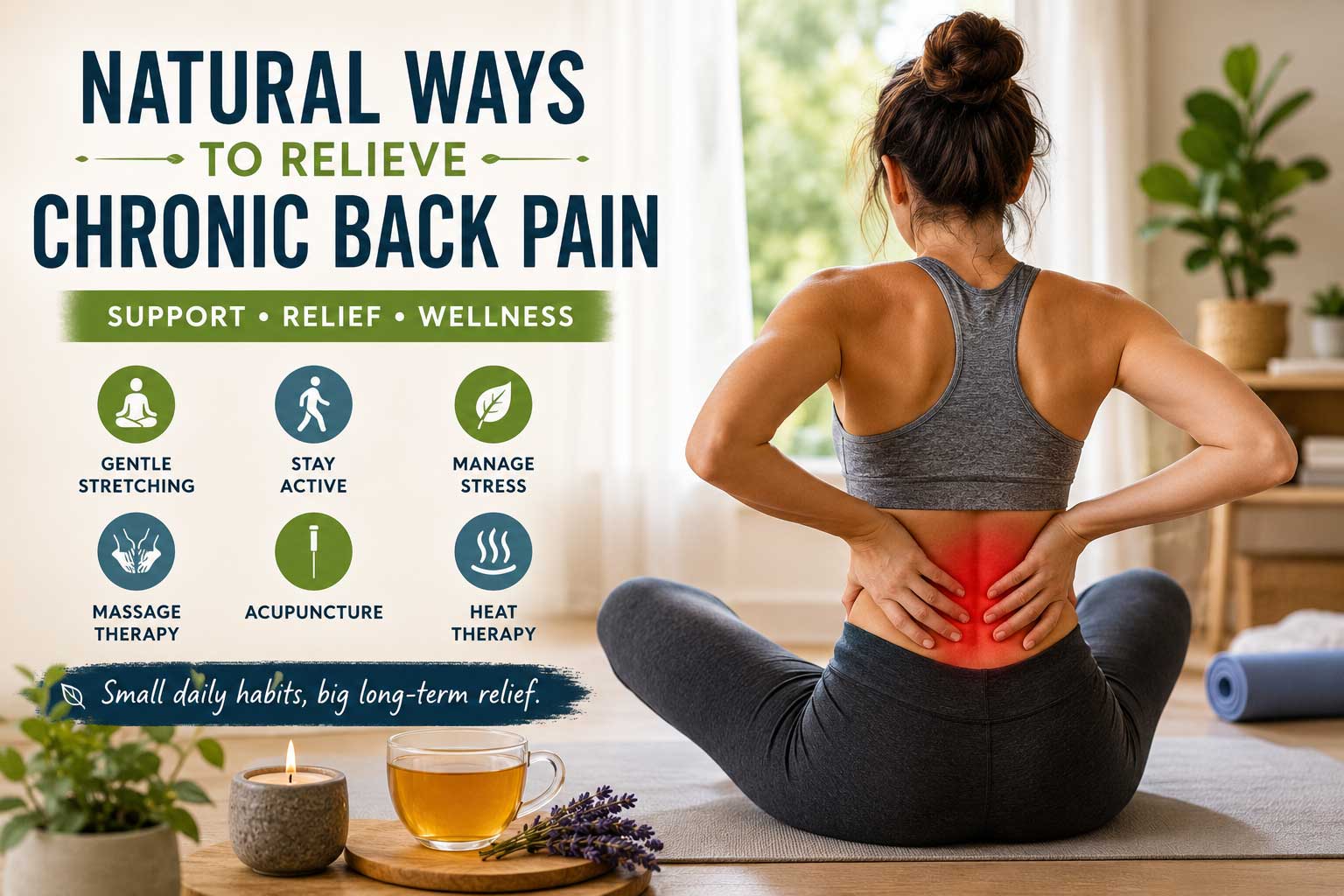
Relief for your back is at hand

Monday, February 15th, 2010
By Linda J. Buch and Kristen Browning-Blas
The Denver Post

(The Denver Post)

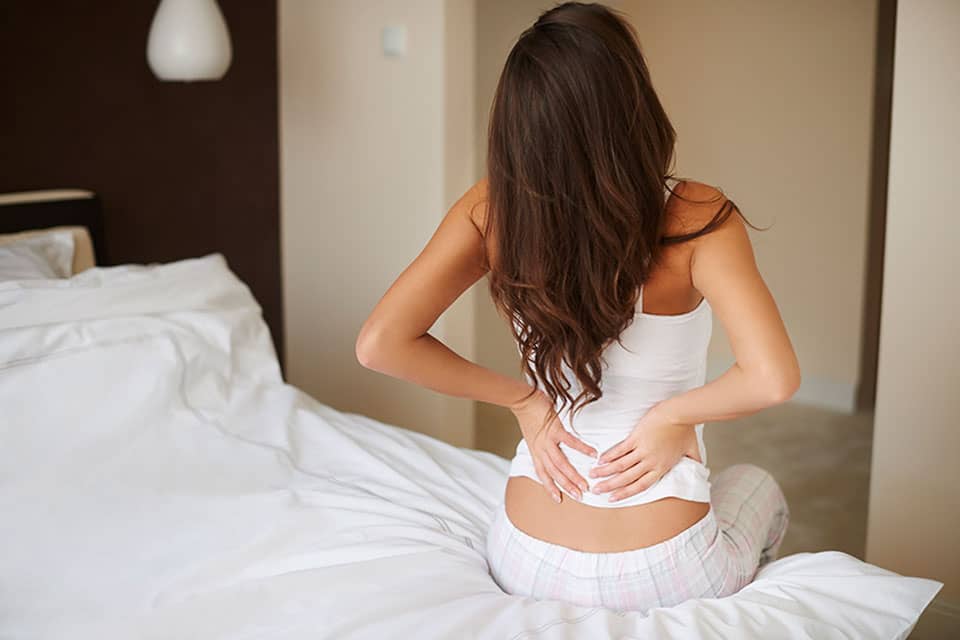
Your back hurts. Is it because of tightened muscles, thickened connective tissue or blocked energy? Depends on whom you ask, but if you seek out alternatives to traditional Western medical treatment, you will be in good company. About four in 10 adults (and one in nine children) use some form of what the government calls complementary and alternative medicine (CAM).

Through its Center for Complementary and Alternative Medicine, the National Institutes of Health studies a wide variety of nontraditional and non-Western treatments, including herbs and supplements, energy medicine, massage and other manipulative, body-based practices.

The center has found that American adults are most likely to seek out alternative treatments for musculoskeletal problems such as back, neck or joint pain. For detailed information on hundreds of treatments and topics, go to nccam.nih.gov. Here’s a sampling of hands-on treatments in Denver:

Massage

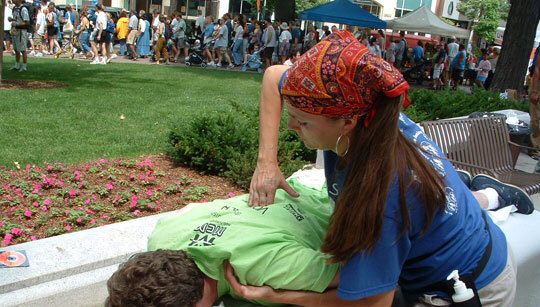
An experienced certified massage therapist is trained to deal with muscle and tissue dysfunction through hands-on soft-tissue manipulation that both relaxes and improves blood flow to the affected area and the body as a whole.

Massage can be effective preventive medicine, say therapists. Tess Gallegos, a Denver massage and skin-care specialist, says massage also improves posture and body mechanics.

“The goal of a massage therapist is for the client to leave with an understanding of back pain and to feel more in control,” says Gallegos. “Massage is not just relaxing, it can actually change the structure of the body and get to the bottom of the cause of the pain.”

Swedish massage specialist Stefan Paulsson explains that tight muscles pull on the skeleton where the muscle is attached. The body then compensates for the short, tight muscle in another part of the body, causing pain.

“A contracted muscle has poor blood flow; relaxing it improves blood flow,” says Paulsson, who owns Back In Shape in the Commons Park neighborhood downtown. “Keep soft tissue soft, relaxed and with good blood flow, and fewer problems arise.”

Rolfing.

Developed by Ph.D. biochemist Ida P. Rolf more than 60 years ago, Rolfing is the process of examining and reorganizing the connective tissues that envelop the entire body. “Connective tissue provides support for the entire body,” says Marekah Stewart, a certified advanced Rolfer. “It encases all of the body’s systems — muscle, organs, bones — all of them.”

When you combine gravity with any illness or trauma (physical or emotional) the connective tissue thickens, shortens and becomes “stuck,” and we begin to compensate, says Stewart.

The head may pull forward, the shoulders may become rounded, and imbalances in the hips and pelvic girdle may occur. Because of its plasticity, connective tissue responds to warmth and pressure, so Rolfers manually free up the connective tissue over a series of 10 sessions.

“If one area is affected, others are impacted, the ultimate goal being to bring the head, shoulders, thorax, pelvis and legs back to a more vertical alignment,” says Stewart. “Rolfing can provide more freedom of movement, function, flexibility, and the sense of being integrated, giving one more energy and balance.”

Acupuncture

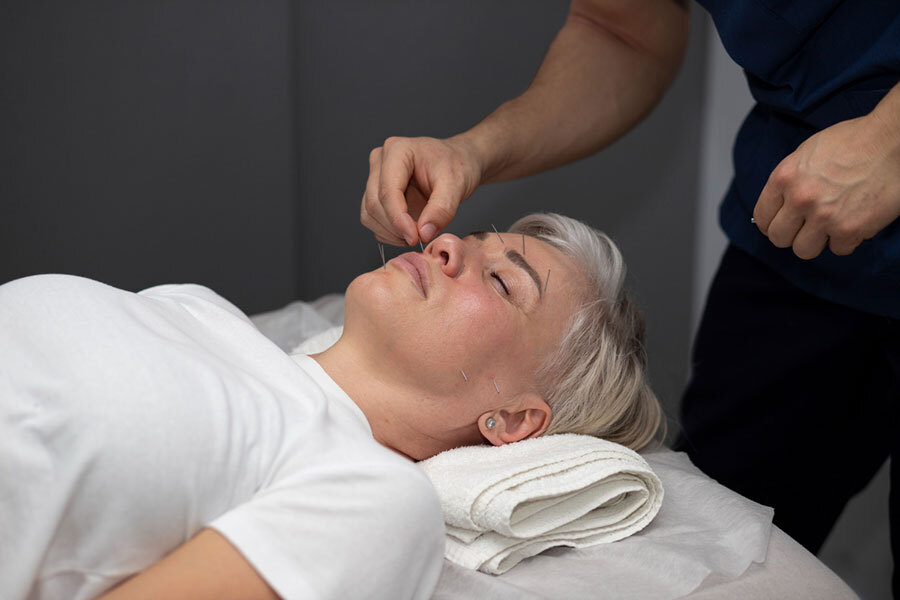
Practiced in China and throughout Asia for thousands of years, acupuncture stimulates specific points on the body, most commonly through thin metal needles inserted into the skin. The acupuncture points are on pathways, called meridians, along which the life force (qi) flows, and stimulating them is thought to remove blockages in the flow of qi.

While the National Institutes of Health places it in the complementary and alternative medicine category, acupuncture is one of the most-studied alternative practices. The American Pain Society and the American College of Physicians say doctors should consider acupuncture, among other complementary and alternative therapies, for patients with chronic low-back pain that does not respond to conventional treatment.

A clinical trial reported in May 2009 that actual acupuncture and simulated acupuncture were equally effective — and both were more effective than conventional treatment — for relieving chronic low-back pain, says the National Center for Complementary and Alternative Medicine.

Patty Wang and Henry Cao have been practicing acupuncture in Colorado for 15 years, since they moved here from China, where Wang practiced acupuncture and Cao was an orthopedic surgeon. In their Denver practice, Wang does most of the acupuncture, and her husband, Cao, works with herbs and uses his surgical knowledge to diagnose and prescribe exercises.

“Acupuncture can help relax soft tissue from a muscle spasm, muscle imbalance, arthritis, or herniated disk, but cannot restore the lost cartilage due to arthritis or repair a herniated disk,” says Cao.

Reiki

Based on the idea of a universal energy that can support the body’s healing abilities, Reiki is a Japanese practice that gained popularity in the United States in the 1930s. Pronounced RAY-kee, the word comes from the Japanese words rei, or universal, and ki, life energy. Practitioners place their hands lightly on or above the client’s body, in order to channel that energy and facilitate healing.

The National Institutes of Health includes Reiki in the complementary and alternative medicine category, and is funding studies on its usefulness in treating symptoms of advanced AIDS, prostate cancer, and nerve pain and cardiovascular risk in people with Type 2 diabetes. A study published in 2008 found that neither direct nor distant Reiki affected the pain of fibromyalgia.

Although not licensed or regulated, Reiki training has three levels, taught by a master, a practitioner who has reached the highest level.

Reiki master Regan Peschel says in the case of back pain, energy blockages could contribute to the injury, she says.

“With physical pain, half the time is spent sending healing energy to that spot,” says Peschel, who believes we all have the ability to connect with healing energy and to self-heal.

Yoga

“There is a misconception that ‘yoga’ only means get on a mat and be a pretzel,” says Lisa Eller Davis, a Denver yoga teacher and Reiki master. People in pain are often afraid, she says, and stress from that pain makes the pain worse.

“First I use breathing and mind/body awareness to calm the fear,” says Eller Davis. “Breathing oxygenates the body and relieves tension.” Gentle yoga postures and movements — some as simple as changing the position of the head and neck — open the mind and calm the body, she says.

Then, people can begin coordinating body postures with breathing techniques. “Body follows mind, and mind follows breath,” says Eller Davis.

In addition to breathing and relaxation techniques, yoga can be practiced seated, standing and reclining.

“There is a yoga for any body,” Eller Davis says. “With some back injuries, physical yoga movements are not the best place to start; the person should be evaluated by a physician before beginning any yoga program.”

Yoga can adapt, align, strengthen and stretch limbs, and release tension in the head, neck and shoulders, all of which help in the healing process.

Exercise/strength training with Pilates

Personal trainer David Bartlett asks clients to perform exercises like rollups and un-weighted squats. He watches for moves that cause the pain to kick in.

By using strength-training techniques, while challenging balance on a wobble board, FitBall, BOSU, or Coreboard, Bartlett’s clients have reduced or even eliminated pain, he says.

“The goal is the fluid integration of range of motion, speed, length of lever and proper breathing,” Bartlett says. “When people can do this with reduced or no pain, their confidence, co-ordination, and balance all improve as well.”

He says there’s more to developing back strength than “core work” — the pelvic floor muscles, back and abdominals must be strengthened without stressing the area of the back that is under duress.

“I get the best results when strength or resistance training is combined with Pilates, using primarily Polestar Pilates principles and Balanced Body equipment,” he explains. “Pilates strengthens, tones, elongates, and stretches all the muscles in the body — some all at the same time.”

This information is brought to you by Dr. XiPing Zhou, M.D.O.M., L.Ac. Dr. Zhou is founder & president of East West Healing Arts Institute Massage School, Dr. Zhou’s Acupuncture & Pain Management Clinic, Madison Family Wellness Community Clinic,  The Herbal Palace, & China Delight Tours. Visit anyone of these websites to learn about Chinese medicine and culture.

Med Students Say Conventional Medicine Would Benefit by Integrating Alternative Therapies

Wednesday, February 10th, 2010

Newswise — In the largest national survey of its kind, researchers from UCLA and UC San Diego measured medical students’ attitudes and beliefs about complementary and alternative medicine (CAM) and found that three-quarters of them felt conventional Western medicine would benefit by integrating more CAM therapies and ideas.

The findings will be published in the online issue of Evidence-based Complementary and Alternative Medicine (eCAM) on January 20, 2010.

“Complementary and alternative medicine is receiving increased attention in light of the global health crisis and the significant role of traditional medicine in meeting public health needs in developing countries,” said study author Ryan Abbott, a researcher at the UCLA Center for East-West Medicine. “Integrating CAM into mainstream health care is now a global phenomenon, with policy makers at the highest levels endorsing the importance of a historically marginalized form of health care.”

CAM, which includes therapies such as massage, yoga, herbal medicine and acupuncture, is characterized by a holistic and highly individualized approach to patient care. It’s emphasis is on maximizing the body’s inherent healing ability; getting patients involved as active participants in their own care; addressing the physical, mental and spiritual attributes of a disease; and preventive care. While interest in these fields has increased dramatically in the United States in recent years, information about such therapies has not yet been widely integrated into medical education.

“Even with the high prevalence of CAM use today, most physicians still know little about non-conventional forms of medicine,” said study author Michael S. Goldstein, Ph.D., a senior research scientist at the UCLA Center for Health Policy Research and professor of Public Health and Sociology, UCLA. “Investigating medical students’ attitudes and knowledge will help us assess whether this may change in the future.”

The team of UCLA and UC San Diego experts in the fields of CAM, integrative medicine, Western medicine, medical education and survey development created a novel 30-question survey and sent it to 126 medical schools throughout the United States. In return, the team received 1,770 completed surveys from a pool of about 68,000 medical students nationwide, roughly three percent.

While the current results offer valuable insight into medical students’ perceptions of CAM, given the low response rate, researchers plan future studies to further refine the tool and see if the findings can be more generalized.

Researchers found that although medical students endorsed the importance of complementary and alternative medicine, obstacles remain that may prevent future doctors from recommending these treatments in their practices. According to the findings:

• 77 percent of participants agreed to some extent that patients whose doctors know about complementary and alternative medicine in addition to conventional medicine, benefit more than those whose doctors are only familiar with Western medicine.
• 74 percent of participants agreed to some extent that a system of medicine that integrates therapies of conventional and complementary and alternative medicine would be more effective than either type of medicine provided independently.
• 84 percent of participants agreed to some extent that the field contains beliefs, ideas, and therapies from which conventional medicine could benefit.
• 49 percent of participating medical students indicated that they have used complementary and alternative treatments however few would recommend or use these treatments in their practice until more scientific assessment has occurred.

“Our research suggests that persuading doctors to integrate CAM will require investment in the types of clinical research that form the backbone of Western medicine,” adds Abbott. “Even now, medical schools have the opportunity to train the next generation of medical practitioners in health care systems outside of conventional medicine. Core values of CAM can help students develop a more holistic and individualized approach to patient care.”

The study also found that the further along in school the student was, the more likely they were to believe their learning regarding CAM therapies was sufficient. Still, researchers note that more than 60 percent of participants favored more education related to this field during their time in medical school. Although more than half of all U.S. medical schools currently offer some type of CAM course, researchers say these courses could be augmented or streamlined into more formal, standardized curricula.

“Although the content of integrative medicine programs remains controversial, medical schools across the country are moving forward with ambitious new programs to teach the next generation of health care leaders,” said Dr. Ka Kit Hui, Wallis Annenberg Chair in Integrative East-West Medicine at UCLA, founder and director, UCLA Center for East-West Medicine, and chair, of UCLA’s Collaborative Centers for Integrative Medicine. “Through the Collaborative Centers for Integrative Medicine, UCLA has become one of the nation’s leading academic centers for integrative medical education. UCLA offers training programs for health sciences students and residents, as well as fellowships for clinicians and researchers.”

Hui added that the importance of integrative medical education is increasingly being realized outside of UCLA. Forty-four highly esteemed academic medical centers now comprise the Consortium of Academic Health Centers for Integrative Medicine, which was established to advance the principles and practices of integrative health care within academic institutions. It provides a community of support for academic missions and a collective voice for influencing change. The Consortium also helps disseminate evidence-based information on CAM, informs health care policy, and supports medical education.

The study was funded by the National Institutes of Health, the Gerald Oppenheimer Family Foundation, and the Annenberg Foundation.

Source: University of California, Los Angeles (UCLA), Health Sciences

This information is brought to you by Dr. XiPing Zhou, M.D.O.M., L.Ac. Dr. Zhou is founder & president of East West Healing Arts Institute Massage School, Dr. Zhou’s Acupuncture & Pain Management Clinic, Madison Family Wellness Community Clinic,  The Herbal Palace, & China Delight Tours. Visit anyone of these websites to learn about Chinese medicine and culture.