

Posts Tagged ‘alternative medicine’

Qi Stimulation without Needles: Acupressure Brings Healing

Monday, April 12th, 2010

(NaturalNews: by Cathy Sherman) Acupressure has become increasingly popular in the west in recent years, though it has been used for centuries as a natural treatment for various diseases. A traditional technique of Chinese medicine, it is similar to acupuncture but less known.

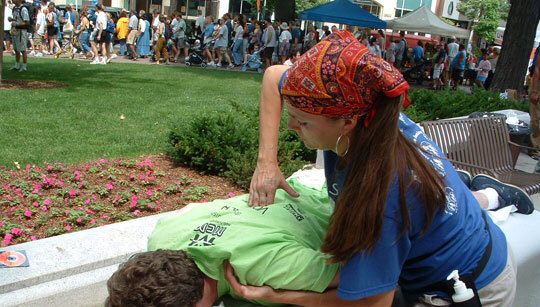
The underlying theory is that there is an invisible force or energy, called qi in Chinese, which has healing power. There are many points, called acupoints or meridians, which connect to the glands of the body. In therapy, pressure is applied at specific points to increase the flow of the qi, in and around the body through the point network. Pressuring acupoints ensures normal qi circulation.

Once a therapist diagnoses a particular ailment by acupressure, he or she provides some acupoints to the patient. Self-applied acupressure is a free treatment which is quick and effective in providing relief from many disorders, a unique advantage. Its effectiveness increases with regular treatment, including self-treatment.

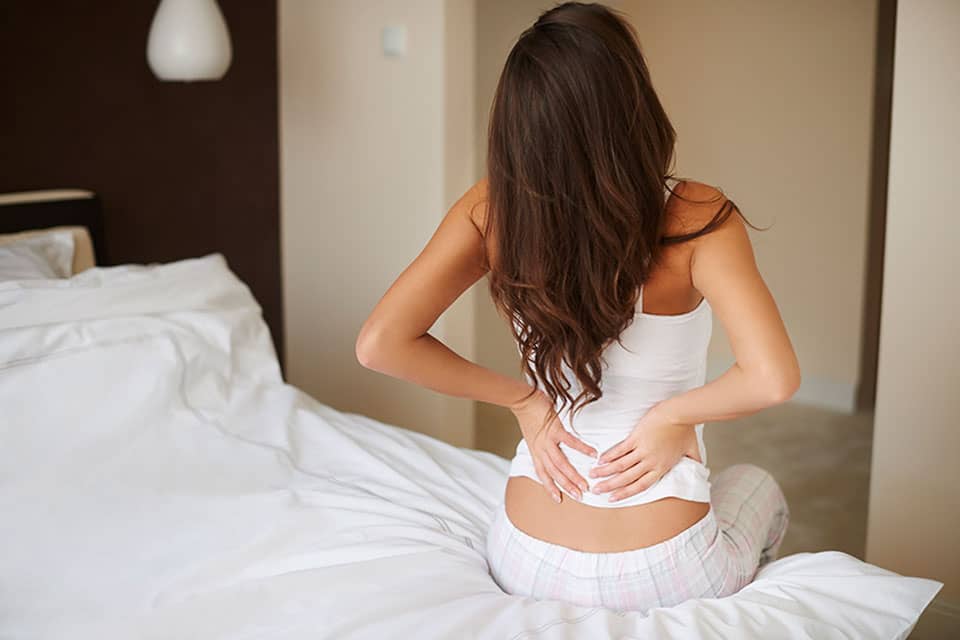
The wellness benefits of acupressure are many. Creating a sense of well-being, it helps provide relief from problems due to stress and tiredness. It helps the body heal its injuries, increases blood circulation, releases muscle tension and reduces back pain. Some of the diseases or disorders that have been mitigated by acupressure include diabetes, epilepsy, bronchitis, heart problems, digestive problems and many allergies. Relief of eye strain, sinus problems, arthritis, muscle aches, ulcer pain, menstrual cramps, nausea, constipation and indigestion have been reported. Acupressure can help in inducing pain-free labor during pregnancy and has been used in lieu of pain killers for minor surgery.

Acupressure has also been used to decrease swelling in the lower body caused by water retention. Massaging certain acupoints on the legs, feet and ankles helps to relieve such swelling by eliminating dampness; it can also help to strengthen the spleen and kidneys. This is important because these are the organs responsible for ensuring the right body fluid balance.

There is some anecdotal evidence that the swelling may be lessened by utilizing a “porcupine ball”, an exercise ball covered with spiked bumps. These bumps provide pressure to the body part massaged by the ball. In addition, there are abundant wood and plastic hand and foot massagers and other devices with pointed nubs to help a person treat himself. More study of the efficacy of such tools is needed, however.

Several techniques, or types of pressure, are used depending on the particular needs of a patient`s disorder. These vary from firm pressure to the more aggressive kneading of the muscles. Keep in mind that acupressure, like other Chinese medicine protocols, does not cure disease, but it works by bringing the body`s qi into a better flow, thus enabling the body to heal itself. It is also thought that a disruption in the qi flow can actually cause the problem, so restoring the flow ends the discomfort.

Several precautions must be taken before stimulating any point. Acupressure should be avoided after heavy exercise, meals and bathing, and if pregnant. Prescription drugs might interfere with the treatment. Also, if under treatment for cancer or high blood pressure, the doctor`s supervision is necessary.

If care is taken to follow the precautions, acupressure can be an adjunct to treatment or a self- administered help for many common complaints. Its non-invasive quality allows people to use it for free, anywhere, anytime. Even though its more illustrious relative, acupuncture, has been more fully researched and implemented, acupressure offers one alternative to try before opting for acupuncture. Depending on the complaint, it may be all that is needed.

Acupuncture May Help Restore Sense Of Smell Following Respiratory Tract Infection

Wednesday, April 7th, 2010

April 7, 2010 by Personal Liberty News Desk

According to a recent study published in the April issue of the journal Otolaryngology: Head and Neck Surgery, Chinese acupuncture may be a safe and effective treatment option for those afflicted with persistent post-viral olfactory dysfunction (PVOD), a condition commonly linked to an upper respiratory tract infection.

Currently, there is no validated pharmacotherapy option for PVOD, which affects approximately 2 million Americans each year and often leads to a temporary loss of the sense of smell and permanent damage to the olfactory system.

In the study, the research team recruited 15 patients with PVOD and treated them with 10 weekly 30-minute sessions of acupuncture. Following the therapy the participants had their sense of smell analyzed with the Sniffin’ Sticks test set, and their data was compared to a group of control patients also suffering from PVOD who did not undergo acupuncture.

The investigators found that eight patients in the acupuncture group significantly improved their sense of smell, while only two participants in the control group achieved the same result.

The study’s authors concluded that “the observed high response rate of about 50 percent under [acupuncture] was superior to that of spontaneous remission, and offers a possible new therapeutic regimen in postviral dysosmia.”

This information is brought to you by Dr. XiPing ZhouM.D.O.M., L.Ac.Dr. Zhou is founder & president of East West Healing Arts Institute Massage School, Dr. Zhou’s Acupuncture & Pain Management Clinic,Madison Family Wellness Community Clinic,  The Herbal Palace, &China Delight Tours. Visit anyone of these websites to learn about Chinese medicine and culture.

Acupuncture can calm anxious dental patients

Monday, April 5th, 2010

March 29, 2010 | Source: LA Times Health

If you’re the type who gets anxious about visiting the dentist, you might think the last thing you’d want would be a bunch of extra needles. Apparently, you’d be wrong.

A small study being published in Tuesday’s edition of the journal Acupuncture in Medicine found that dentists who administered acupuncture to their nervous patients succeeded in calming their fears. That allowed all 20 subjects to complete their necessary dental exams and treatment. Without acupuncture, only six of the patients were able to get even partial treatment.

The patients in the study initially scored an average of 26.5 on the Beck Anxiety Index (a score above 26 indicates “severe anxiety”). Five minutes after acupuncture, their average anxiety score dropped to 11.5. The acupuncture focused on two points on the head (GV20 and EX6), and the needles stayed in throughout the patients’ dental procedures.

The researchers, from England and Denmark, noted that 5% of people in Western countries have “pronounced dental anxiety” and an additional 20% to 30% have “moderate dental anxiety.” They pointed out that while such patients can be treated with sedatives, hypnosis, biofeedback and other behavioral therapies, those approaches are “time consuming and demand psychotherapeutic education and skills.”

One might think that considerable education and skill are also needed to administer acupuncture safely and effectively, though the researchers didn’t discuss the training involved.

Apparently, the combination of acupuncture and dental work is still uncommon here in the states. But in the U.K. there is such a thing as the British Dental Acupuncture Society.

By:  Karen Kaplan

This information is brought to you by Dr. XiPing Zhou, M.D.O.M., L.Ac.Dr. Zhou is founder & president of East West Healing Arts Institute Massage School, Dr. Zhou’s Acupuncture & Pain Management Clinic,Madison Family Wellness Community Clinic,  The Herbal Palace, &China Delight Tours. Visit anyone of these websites to learn about Chinese medicine and culture

Alternative remedy use common among infertile

Friday, April 2nd, 2010

NEW YORK (Reuters Health) – A substantial number of American couples are looking beyond just state-of-the-art fertility treatments to therapies dating back centuries in hopes of improving their chances of conceiving a baby, according to new research.

More than a quarter of northern California couples followed in a study sought help from acupuncture, herbal therapy and massage-often as a complement to conventional conception strategies such as in vitro fertilization. Rates were especially high among wealthy, older couples.

“We suggest that couples struggling to achieve pregnancy are more likely to seek out any treatment that offers hope,” Dr. James Smith of the University of California, San Francisco, who led the study, told Reuters Health in an email.

The research is the first in the U.S. to quantify the use of complementary and alternative medicine for infertility-a problem that afflicts 7 to 17 percent of American couples, note the researchers in the journal Fertility and Sterility. Overall, studies have shown that up to 40 percent of Americans use such remedies for all conditions.

As a first step toward understanding what motivates a couple’s decision to pursue alternative remedies, Smith and his team recruited 428 couples from eight reproductive clinics and followed them via questionnaires and interviews over the next 18 months.

During this period, 29 percent of the couples reported using some form of complementary and alternative medicine: 22 percent underwent acupuncture, 17 percent took herbal therapy, 5 percent had body work such as chiropractic or massage, and 1 percent tried meditation.

With every five-year increase in the woman’s age, the chances of her and her partner pursuing at least one of these strategies rose by about 29 percent, even after accounting for factors such as having previous children and the use of other infertility treatments.

Couples earning more than $200,000 were nearly three times more likely to seek alternative remedies than were those with combined incomes less than $100,000.

In another study, not yet published, Smith and his colleagues calculated the total out-of-pocket infertility costs for couples using in vitro fertilization at $16,550. A visit to the acupuncturist runs about $100, added Smith.

“Couples with higher incomes were more likely to have the financial resources to seek out” complementary and alternative remedies, said Smith, emphasizing the relevance of “complementary” over “alternative” in this case.

Perhaps less surprising, couples failing to achieve pregnancy had a nearly two and a half-fold increased chance of using such remedies compared to those successfully conceiving, and partners that had a positive attitude about the effectiveness of alternative treatments were 85 percent more likely to try it.

The authors say the study’s design may limit whether their findings can be generalized to the larger population, because the couples were self-selected and there were low numbers of certain racial and ethnic groups. And, Smith said, the study was not designed to test whether such treatments are effective.

SOURCE: Fertility and Sterility, online March 24, 2010.

This information is brought to you by Dr. XiPing Zhou, M.D.O.M., L.Ac.Dr. Zhou is founder & president of East West Healing Arts Institute Massage School, Dr. Zhou’s Acupuncture & Pain Management Clinic,Madison Family Wellness Community Clinic,  The Herbal Palace, &China Delight Tours. Visit anyone of these websites to learn about Chinese medicine and culture

Youngsters go acupressure way

Wednesday, March 24th, 2010

Bangalore: Sleepless night followed by a drowsy day. It was a routine for 30-year-old software engineer Kuldeep Mohan who suffered from insomnia for months together affecting his lifestyle, work and attitude. Two sessions of acupressure worked enough magic for this young man to head to work fresh after a good night’s sleep.
Saying he had been sleep-deprived for a long time, Kuldeep says, “Just two acupressure sessions of 20-30 minutes each did wonders for me. Now I get proper sleep at night. However, if I ever have trouble falling asleep again, I will opt for more sessions of acupressure.”

Mohan is not alone. Youngsters today are resorting to accupressure therapy to rid themselves of backache, neck pain, migraine, anxiety, insomnia and dizziness. “Lack of exercise is leading to various health problems. A half hour walk at 5.5 km per hour can keep them fit. But they rarely have that much time to spare,” says Dr Vinay Sarvotham, an acupressure expert who runs a spine care clinic.

For Avantika Srivastav, a sedentary job as a banker was the cause of severe neck pain. “The pain was severe on my neck and shoulders. I was told by a friend about acupressure and thought of giving it a try,” she says. Three sittings later, Srivastav feels much better: “Pressure was applied to certain points where it hurt.”She is awaiting two more sessions.

Patients can also be treated with acupressure therapy by concentrating on their hands and feet. “The whole body is reflected in the hands and feet. Working on those areas can lead to release of pain in any part of the body,” says Dr Nirjhar Mitra, associate, Sampurnah, a holistic centre for health.

Dr Sarvotham explains that people below 35 years of age are a stressed lot, “They are left with very less time to rest as compared to the hours they put at work. Sleeplessness and anxiety are common then. When you are stressed, your muscles are too. The body, including the spine, becomes stiff leading to back and neck pain.” The doctor sees an average of 25 to 30 cases from young professionals every month.

Two to three days of acupressure therapy can set things right in such cases, he adds. “If pressure is applied to the right points in the spine in the right sequence, it increases blood circulation. It not only reduces the pain, but also helps the mind relax, thus curing other issues like insomnia and anxiety,” he says.

This information is brought to you by Dr. XiPing Zhou, M.D.O.M., L.Ac. Dr. Zhou is founder & president of East West Healing Arts Institute Massage School, Dr. Zhou’s Acupuncture & Pain Management Clinic, Madison Family Wellness Community Clinic,  The Herbal Palace, & China Delight Tours. Visit anyone of these websites to learn about Chinese medicine and culture.

Bookmark and  Share

Med Students Say Conventional Medicine Would Benefit by Integrating Alternative Therapies

Wednesday, February 10th, 2010

Newswise — In the largest national survey of its kind, researchers from UCLA and UC San Diego measured medical students’ attitudes and beliefs about complementary and alternative medicine (CAM) and found that three-quarters of them felt conventional Western medicine would benefit by integrating more CAM therapies and ideas.

The findings will be published in the online issue of Evidence-based Complementary and Alternative Medicine (eCAM) on January 20, 2010.

“Complementary and alternative medicine is receiving increased attention in light of the global health crisis and the significant role of traditional medicine in meeting public health needs in developing countries,” said study author Ryan Abbott, a researcher at the UCLA Center for East-West Medicine. “Integrating CAM into mainstream health care is now a global phenomenon, with policy makers at the highest levels endorsing the importance of a historically marginalized form of health care.”

CAM, which includes therapies such as massage, yoga, herbal medicine and acupuncture, is characterized by a holistic and highly individualized approach to patient care. It’s emphasis is on maximizing the body’s inherent healing ability; getting patients involved as active participants in their own care; addressing the physical, mental and spiritual attributes of a disease; and preventive care. While interest in these fields has increased dramatically in the United States in recent years, information about such therapies has not yet been widely integrated into medical education.

“Even with the high prevalence of CAM use today, most physicians still know little about non-conventional forms of medicine,” said study author Michael S. Goldstein, Ph.D., a senior research scientist at the UCLA Center for Health Policy Research and professor of Public Health and Sociology, UCLA. “Investigating medical students’ attitudes and knowledge will help us assess whether this may change in the future.”

The team of UCLA and UC San Diego experts in the fields of CAM, integrative medicine, Western medicine, medical education and survey development created a novel 30-question survey and sent it to 126 medical schools throughout the United States. In return, the team received 1,770 completed surveys from a pool of about 68,000 medical students nationwide, roughly three percent.

While the current results offer valuable insight into medical students’ perceptions of CAM, given the low response rate, researchers plan future studies to further refine the tool and see if the findings can be more generalized.

Researchers found that although medical students endorsed the importance of complementary and alternative medicine, obstacles remain that may prevent future doctors from recommending these treatments in their practices. According to the findings:

• 77 percent of participants agreed to some extent that patients whose doctors know about complementary and alternative medicine in addition to conventional medicine, benefit more than those whose doctors are only familiar with Western medicine.
• 74 percent of participants agreed to some extent that a system of medicine that integrates therapies of conventional and complementary and alternative medicine would be more effective than either type of medicine provided independently.
• 84 percent of participants agreed to some extent that the field contains beliefs, ideas, and therapies from which conventional medicine could benefit.
• 49 percent of participating medical students indicated that they have used complementary and alternative treatments however few would recommend or use these treatments in their practice until more scientific assessment has occurred.

“Our research suggests that persuading doctors to integrate CAM will require investment in the types of clinical research that form the backbone of Western medicine,” adds Abbott. “Even now, medical schools have the opportunity to train the next generation of medical practitioners in health care systems outside of conventional medicine. Core values of CAM can help students develop a more holistic and individualized approach to patient care.”

The study also found that the further along in school the student was, the more likely they were to believe their learning regarding CAM therapies was sufficient. Still, researchers note that more than 60 percent of participants favored more education related to this field during their time in medical school. Although more than half of all U.S. medical schools currently offer some type of CAM course, researchers say these courses could be augmented or streamlined into more formal, standardized curricula.

“Although the content of integrative medicine programs remains controversial, medical schools across the country are moving forward with ambitious new programs to teach the next generation of health care leaders,” said Dr. Ka Kit Hui, Wallis Annenberg Chair in Integrative East-West Medicine at UCLA, founder and director, UCLA Center for East-West Medicine, and chair, of UCLA’s Collaborative Centers for Integrative Medicine. “Through the Collaborative Centers for Integrative Medicine, UCLA has become one of the nation’s leading academic centers for integrative medical education. UCLA offers training programs for health sciences students and residents, as well as fellowships for clinicians and researchers.”

Hui added that the importance of integrative medical education is increasingly being realized outside of UCLA. Forty-four highly esteemed academic medical centers now comprise the Consortium of Academic Health Centers for Integrative Medicine, which was established to advance the principles and practices of integrative health care within academic institutions. It provides a community of support for academic missions and a collective voice for influencing change. The Consortium also helps disseminate evidence-based information on CAM, informs health care policy, and supports medical education.

The study was funded by the National Institutes of Health, the Gerald Oppenheimer Family Foundation, and the Annenberg Foundation.

Source: University of California, Los Angeles (UCLA), Health Sciences

This information is brought to you by Dr. XiPing Zhou, M.D.O.M., L.Ac. Dr. Zhou is founder & president of East West Healing Arts Institute Massage School, Dr. Zhou’s Acupuncture & Pain Management Clinic, Madison Family Wellness Community Clinic,  The Herbal Palace, & China Delight Tours. Visit anyone of these websites to learn about Chinese medicine and culture.

The facelift that cuts out need to go under the knife

Tuesday, January 19th, 2010

MANY PEOPLE turn to complementary therapies in search of a more holistic approach to their health, which examines mental, emotional and sometimes even spiritual aspects of their illness alongside their physical symptoms. Now, it seems that growing numbers are also going to complementary therapists for a more holistic approach to their beauty.

In the boom years, the acupuncture facelift became popular as a non-surgical method to improve beauty, radiance and vitality in the face while also promising to lift overall energy levels. Facial rejuvenation workshops enabled qualified acupuncturists to top up their skills and add acupuncture facelifts to their treatment portfolios.

Áine Delaney is an acupuncturist working in Galway city. She says that facial rejuvenation was very popular for a while, and although she still has clients who ask for it, the interest has tapered off somewhat. At a cost of €70 per session, clients were advised to have about 10 sessions but many now choose only to have one or two.

On her website, Delaney still promotes acupuncture facial rejuvenation. “It lifts sagging skin, improves complexion, reduces frown lines, improves muscle tone and stimulates circulation,” she says.

“The worse the client was, the better were the results. People who had let themselves go would show good improvements even after one or two treatments,” she says.

“The treatment balances the overall energetic systems of the body too and will help those who have poor sleep, painful periods, bowel or bladder problems and menopausal symptoms.”

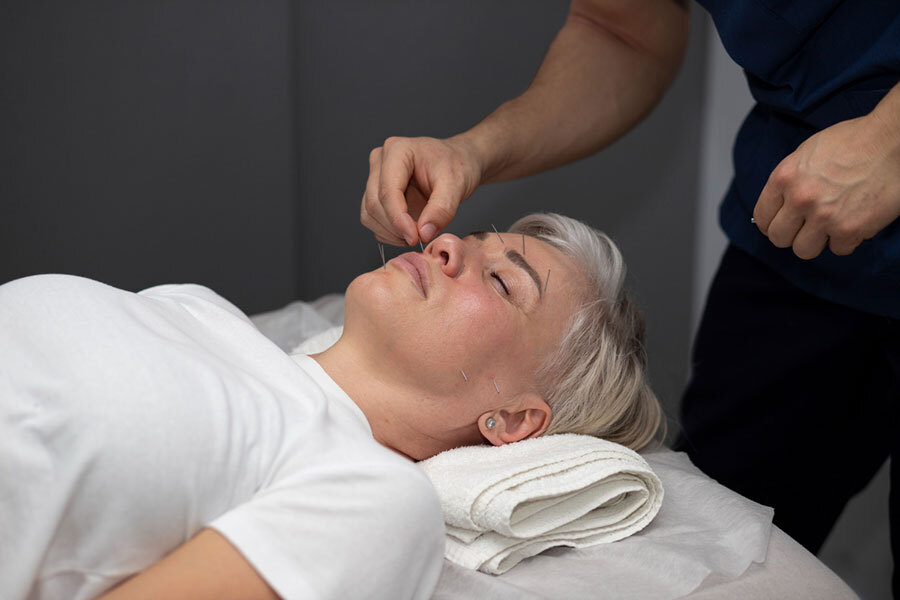
During facial rejuvenation or cosmetic acupuncture, fine needles are placed in specific areas of the face and body while the client lies in a relaxed position on a massage table. The needles are left in for at least 30 minutes.

Anne Marie Lally has been getting cosmetic acupuncture for about three years now. “I’ve quite a tense face and it helps plump up my face again and eases out the lines on my forehead,” she says.

“People say I look really rested and not as drawn looking after I have a session. My skin really glows and the effects last for about a week.”

Lally, who is in her 30s, has never had a series of acupuncture facial rejuvenation sessions, but instead goes from time to time before a special event or at Christmas time.

“It doesn’t hurt having the needles put into your face. Sometimes there would be a slight bruise for a few days but I wear make-up over it,” she adds. “I’d never go for a facial now because I would choose this instead.”

The Acupuncture Council of Ireland warns that facial rejuvenation acupuncture is not recommended for anyone with diabetes and high blood pressure. Pregnant women, those with pituitary disorders and migraine sufferers should also avoid it. It shouldn’t be given to anyone with a bout of flu, allergic reaction or a cold.

Holistic massage therapist Bernie Traynor has introduced an alternative natural facelift treatment that may suit those who don’t like the idea of needles in their faces. Based in the Dublin Naturopathic Centre, Traynor incorporates manual lymphatic drainage techniques, Indian head massage and acupressure into the treatment.

“I’m principally trained as a holistic massage therapist, but in holistic massage therapists tend not to go near the face and scalp, but I believe we hold a lot of tension in our scalps. I’ve added manual lymphatic drainage to the treatment because the lymphatic system can be sluggish for many people and gentle touching on the face can help get the lymph flowing again,” she adds.

Acupuncturists don’t claim to alter the face in ways that cosmetic surgery can, but there is plenty of anecdotal evidence to suggest that cosmetic acupuncture can rejuvenate skin and muscle tone.

With tightening budgets, these holistic facelifts may well become fashionable as the costs – and potential risks – of cosmetic surgery give way to gentler approaches to beauty.

NATURAL FACELIFT: HOW IT FEELS 

THE PROSPECT of a natural facelift in early January sounded very attractive. So, on a grim workday morning, I went along for the one-hour treatment. The idea was that at various meetings throughout the day and with my family later, I could gauge the results.

The treatment started with a 10-minute gentle neck and shoulder massage. Although the therapist mentioned that I had quite a bit of tension across my shoulders, she didn’t do any deep tissue work.

During the next 10 minutes or so, she gently touched various lymph nodes on my face, moving on to light pressure and gentle stretching movements on my chin, my eyebrows, my cheek bones and forehead.

She then massaged the scalp of my upper head, which I found to be the most enjoyable part of the treatment. In fact, I would have liked the head massage to have extended to the back of my head as well.

She ended the treatment with fluttering finger movements all over my face, which reminded me of someone playing the piano and seemed to echo the music that played in the background.

I felt my face looked clearer and more open immediately after the treatment and I noticed that a few small spots on my cheeks disappeared later that day.

However, not one person I met throughout the day commented on my face. It was the perfect qualitative piece of research: no one knew I was having a natural facelift, but no one noticed that I had had one.

As I turned in that night, I looked expectantly in the mirror again, only to conclude that a brisk walk or even a swim would have left more of a glow on my face.

http://www.irishtimes.com/newspaper/health/2010/0119/1224262627938.html

This information is brought to you by Dr. XiPing Zhou, M.D.O.M., L.Ac. Dr. Zhou is founder & president of East West Healing Arts Institute Massage School, Dr. Zhou’s Acupuncture & Pain Management Clinic, Madison Family Wellness Community Clinic,  The Herbal Palace, & China Delight Tours. Visit anyone of these websites to learn about Chinese medicine and culture.