
Posts Tagged ‘acupuncture’

Acupuncture may help with breast cancer chemo pain

Wednesday, April 14th, 2010

|By Jeannine Stein, Los Angeles Times

Joint pain is a common side effect for women being treated with aromatase inhibitors for breast cancer. The treatment halts estrogen production in post-menopausal women, which means less of the hormone can fuel certain breast cancer cell growth.

While women often remedy the discomfort with painkillers, researchers wondered if acupuncture might also help. In a paper published in the Journal of Clinical Oncology, researchers enrolled 43 women in a randomized, blind study. The women were being treated with aromatase inhibitors for breast cancer and were also experiencing musculoskeletal pain.

Some were assigned to a true acupuncture group, in which joints were specifically targeted, and others were assigned to a sham acupuncture group, in which needles were inserted superficially into the skin in locations that were not real acupuncture points (this group served as a control for a potential placebo effect). Treatment went on for 12 sessions over six weeks.

Women were asked to rate the severity of their pain and its effect on daily functions, on a scale of 0 to 10. At the beginning of the study, the true acupuncture group’s average pain rating was 6.7, and the sham group’s was 5.6. After six weeks, the true acupuncture group rated their pain on average 3.0, and the sham group rated theirs 5.5.

In addition to seeing a significant decrease in the severity of their pain, the true acupuncture group also noticed improvement in their overall physical well-being.

“Since aromatase inhibitors have become an increasingly popular treatment option for some breast cancer patients, we aimed to find a non-drug option to manage the joint issues they often create, thereby improving quality of life and reducing the likelihood that patients would discontinue this potentially lifesaving treatment,” said Dr. Dawn Hershman, senior author of the study, in a news release.

Hershman is the co-director of the breast cancer program at the Herbert Irving Comprehensive Cancer Center at New York-Presbyterian Hospital/Columbia University Medical Center, and an assistant professor of medicine and epidemiology at Columbia University Medical Center.

This information is brought to you by Dr. XiPing Zhou, M.D.O.M., L.Ac.Dr. Zhou is founder & president of East West Healing Arts Institute Massage School, Dr. Zhou’s Acupuncture & Pain Management Clinic,Madison Family Wellness Community Clinic,  The Herbal Palace, &China Delight Tours. Visit anyone of these websites to learn about Chinese medicine and culture

Acupuncture May Help Restore Sense Of Smell Following Respiratory Tract Infection

Wednesday, April 7th, 2010

April 7, 2010 by Personal Liberty News Desk

According to a recent study published in the April issue of the journal Otolaryngology: Head and Neck Surgery, Chinese acupuncture may be a safe and effective treatment option for those afflicted with persistent post-viral olfactory dysfunction (PVOD), a condition commonly linked to an upper respiratory tract infection.

Currently, there is no validated pharmacotherapy option for PVOD, which affects approximately 2 million Americans each year and often leads to a temporary loss of the sense of smell and permanent damage to the olfactory system.

In the study, the research team recruited 15 patients with PVOD and treated them with 10 weekly 30-minute sessions of acupuncture. Following the therapy the participants had their sense of smell analyzed with the Sniffin’ Sticks test set, and their data was compared to a group of control patients also suffering from PVOD who did not undergo acupuncture.

The investigators found that eight patients in the acupuncture group significantly improved their sense of smell, while only two participants in the control group achieved the same result.

The study’s authors concluded that “the observed high response rate of about 50 percent under [acupuncture] was superior to that of spontaneous remission, and offers a possible new therapeutic regimen in postviral dysosmia.”

This information is brought to you by Dr. XiPing ZhouM.D.O.M., L.Ac.Dr. Zhou is founder & president of East West Healing Arts Institute Massage School, Dr. Zhou’s Acupuncture & Pain Management Clinic,Madison Family Wellness Community Clinic,  The Herbal Palace, &China Delight Tours. Visit anyone of these websites to learn about Chinese medicine and culture.

Acupuncture can calm anxious dental patients

Monday, April 5th, 2010

March 29, 2010 | Source: LA Times Health

If you’re the type who gets anxious about visiting the dentist, you might think the last thing you’d want would be a bunch of extra needles. Apparently, you’d be wrong.

A small study being published in Tuesday’s edition of the journal Acupuncture in Medicine found that dentists who administered acupuncture to their nervous patients succeeded in calming their fears. That allowed all 20 subjects to complete their necessary dental exams and treatment. Without acupuncture, only six of the patients were able to get even partial treatment.

The patients in the study initially scored an average of 26.5 on the Beck Anxiety Index (a score above 26 indicates “severe anxiety”). Five minutes after acupuncture, their average anxiety score dropped to 11.5. The acupuncture focused on two points on the head (GV20 and EX6), and the needles stayed in throughout the patients’ dental procedures.

The researchers, from England and Denmark, noted that 5% of people in Western countries have “pronounced dental anxiety” and an additional 20% to 30% have “moderate dental anxiety.” They pointed out that while such patients can be treated with sedatives, hypnosis, biofeedback and other behavioral therapies, those approaches are “time consuming and demand psychotherapeutic education and skills.”

One might think that considerable education and skill are also needed to administer acupuncture safely and effectively, though the researchers didn’t discuss the training involved.

Apparently, the combination of acupuncture and dental work is still uncommon here in the states. But in the U.K. there is such a thing as the British Dental Acupuncture Society.

By:  Karen Kaplan

This information is brought to you by Dr. XiPing Zhou, M.D.O.M., L.Ac.Dr. Zhou is founder & president of East West Healing Arts Institute Massage School, Dr. Zhou’s Acupuncture & Pain Management Clinic,Madison Family Wellness Community Clinic,  The Herbal Palace, &China Delight Tours. Visit anyone of these websites to learn about Chinese medicine and culture

Alternative remedy use common among infertile

Friday, April 2nd, 2010

NEW YORK (Reuters Health) – A substantial number of American couples are looking beyond just state-of-the-art fertility treatments to therapies dating back centuries in hopes of improving their chances of conceiving a baby, according to new research.

More than a quarter of northern California couples followed in a study sought help from acupuncture, herbal therapy and massage-often as a complement to conventional conception strategies such as in vitro fertilization. Rates were especially high among wealthy, older couples.

“We suggest that couples struggling to achieve pregnancy are more likely to seek out any treatment that offers hope,” Dr. James Smith of the University of California, San Francisco, who led the study, told Reuters Health in an email.

The research is the first in the U.S. to quantify the use of complementary and alternative medicine for infertility-a problem that afflicts 7 to 17 percent of American couples, note the researchers in the journal Fertility and Sterility. Overall, studies have shown that up to 40 percent of Americans use such remedies for all conditions.

As a first step toward understanding what motivates a couple’s decision to pursue alternative remedies, Smith and his team recruited 428 couples from eight reproductive clinics and followed them via questionnaires and interviews over the next 18 months.

During this period, 29 percent of the couples reported using some form of complementary and alternative medicine: 22 percent underwent acupuncture, 17 percent took herbal therapy, 5 percent had body work such as chiropractic or massage, and 1 percent tried meditation.

With every five-year increase in the woman’s age, the chances of her and her partner pursuing at least one of these strategies rose by about 29 percent, even after accounting for factors such as having previous children and the use of other infertility treatments.

Couples earning more than $200,000 were nearly three times more likely to seek alternative remedies than were those with combined incomes less than $100,000.

In another study, not yet published, Smith and his colleagues calculated the total out-of-pocket infertility costs for couples using in vitro fertilization at $16,550. A visit to the acupuncturist runs about $100, added Smith.

“Couples with higher incomes were more likely to have the financial resources to seek out” complementary and alternative remedies, said Smith, emphasizing the relevance of “complementary” over “alternative” in this case.

Perhaps less surprising, couples failing to achieve pregnancy had a nearly two and a half-fold increased chance of using such remedies compared to those successfully conceiving, and partners that had a positive attitude about the effectiveness of alternative treatments were 85 percent more likely to try it.

The authors say the study’s design may limit whether their findings can be generalized to the larger population, because the couples were self-selected and there were low numbers of certain racial and ethnic groups. And, Smith said, the study was not designed to test whether such treatments are effective.

SOURCE: Fertility and Sterility, online March 24, 2010.

This information is brought to you by Dr. XiPing Zhou, M.D.O.M., L.Ac.Dr. Zhou is founder & president of East West Healing Arts Institute Massage School, Dr. Zhou’s Acupuncture & Pain Management Clinic,Madison Family Wellness Community Clinic,  The Herbal Palace, &China Delight Tours. Visit anyone of these websites to learn about Chinese medicine and culture

Acupressure For Guaranteed Headache Relief

Monday, March 29th, 2010

The history of acupressure is lost in the mists of time and it is almost impossible to ascertain exactly when it first originated. However, most sources associate its beginnings with Daoism, approximately 8000 years ago and Traditional Chinese Medicine.
One of the core beliefs of Daoism is that there is a vital energy pervading the universe and all forms and creatures in it, humans included. It is with this vital universal force, known as chi/qi, that acupressure deals as it manifests in man.  Chi flows in meridians through the human etheric body, but can be accessed physically by deep pressure (acupressure) or by the application of needles (acupuncture) to redirect the flow of this vital force as, through inadequate diet, unwholesome living practices etc the flow becomes distorted and disease results; it is the function of either acupressure or acupuncture to reharmonise the flow of chi.

Acupressure is a form of treatment for pain that involves pressure on particular points on the body known as ‘pressure points’, of which there are over one thousand; these are key nodes of the chi network, which frequently become clogged through inharmonious living. Acupressure identifies and releases these congested energy centers, making way for a symmetrical flow of energy.  This is done by placing physical pressure by hand or elbow or various devices on different points of the body.
Acupressure is very much like a traditional massage, but with more emphasis on the pressure points. Rubbing in a circular motion for around 5-15 minutes is a very powerful technique which relieves most ailments. It promotes calmness as this is the natural effect of harmonic chi flow, producing sensations of relaxation.

Acupressure’s healing process is quite quick and the energy flow can be felt within a few minutes. Pressure applied to certain positions helps in removing toxins making the blood flow smoothly.

A person can perform acupressure on him or herself with no equipment needed but their own fingers. There are no side effects with this treatment and can prove to be very beneficial as blood circulation improves and the immune systems strengthens, promoting a healthy mind, body and soul.

Headaches can be caused by a variety of health conditions including tension, stress and fatigue which can be relieved by stimulating certain specific pressure points. As previously mentioned, there are more than a thousand pressure points to our body therefore, locating the correct point for the associated ailment is crucial. To stimulate these points, a person has to gently massage or apply pressure on them with fingers.

The dent or depression at the base of the skull is the stimulation point for the relief of headaches felt in the temple region and the sides of the head. Apply pressure to this point with your fingers for 2-3 minutes and then gently massage the area.

Another pressure point is located between the thumb and the index finger. Using you thumb of the other hand to press on this point for about 2-3 minutes then lightly massage the area with gentle strokes toward the wrist for another 2 minutes. This point can be very effective for relieving toothaches and sinus pain as well as headaches.

Stimulation between the big toe and first toe can ease pain behind the eyes. Gently pressing or massaging the temples and the inner corners of the eyes can also relieve headaches. Another effective point is the one between the eyebrows on the bridge of the nose where a slight depression can be felt. Massaging this point in an upward direction for 1-2 minutes can help get rid of a headache.

Applying acupressure for headaches can be helpful in managing both tension and migraine headaches, but it is crucial that the proper points are identified as over stimulation to some points in pregnant women can induce premature labor so this points to the fact that a lot of care is required when practicing acupressure for headaches.

Source: Patty Brown

This information is brought to you by Dr. XiPing ZhouM.D.O.M., L.Ac.Dr. Zhou is founder & president of East West Healing Arts Institute Massage School, Dr. Zhou’s Acupuncture & Pain Management Clinic,Madison Family Wellness Community Clinic,  The Herbal Palace, &China Delight Tours. Visit anyone of these websites to learn about Chinese medicine and culture

Relief for your back is at hand

Monday, February 15th, 2010
By Linda J. Buch and Kristen Browning-Blas
The Denver Post

(The Denver Post)

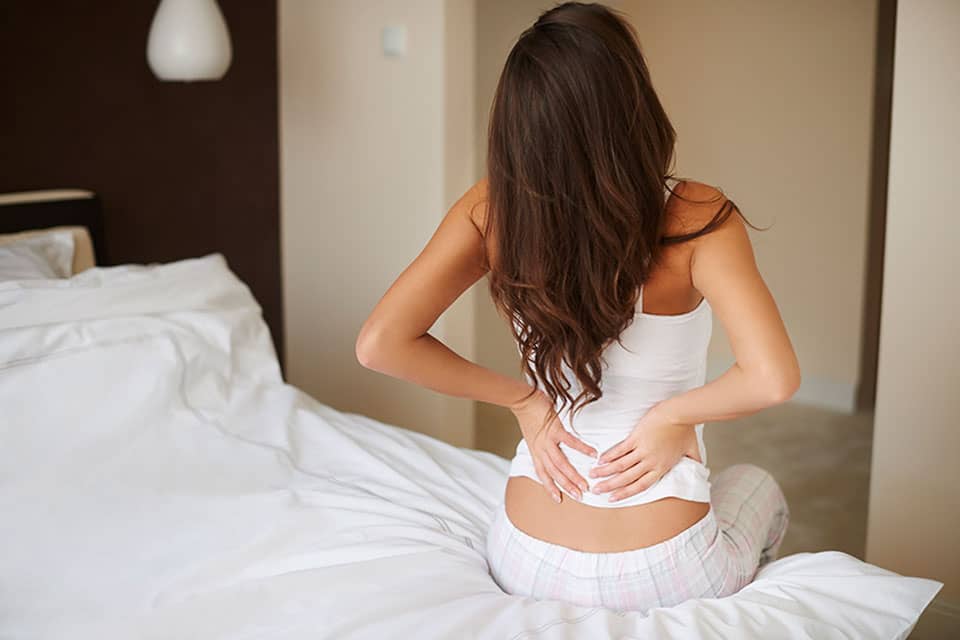
Your back hurts. Is it because of tightened muscles, thickened connective tissue or blocked energy? Depends on whom you ask, but if you seek out alternatives to traditional Western medical treatment, you will be in good company. About four in 10 adults (and one in nine children) use some form of what the government calls complementary and alternative medicine (CAM).

Through its Center for Complementary and Alternative Medicine, the National Institutes of Health studies a wide variety of nontraditional and non-Western treatments, including herbs and supplements, energy medicine, massage and other manipulative, body-based practices.

The center has found that American adults are most likely to seek out alternative treatments for musculoskeletal problems such as back, neck or joint pain. For detailed information on hundreds of treatments and topics, go to nccam.nih.gov. Here’s a sampling of hands-on treatments in Denver:

Massage

An experienced certified massage therapist is trained to deal with muscle and tissue dysfunction through hands-on soft-tissue manipulation that both relaxes and improves blood flow to the affected area and the body as a whole.

Massage can be effective preventive medicine, say therapists. Tess Gallegos, a Denver massage and skin-care specialist, says massage also improves posture and body mechanics.

“The goal of a massage therapist is for the client to leave with an understanding of back pain and to feel more in control,” says Gallegos. “Massage is not just relaxing, it can actually change the structure of the body and get to the bottom of the cause of the pain.”

Swedish massage specialist Stefan Paulsson explains that tight muscles pull on the skeleton where the muscle is attached. The body then compensates for the short, tight muscle in another part of the body, causing pain.

“A contracted muscle has poor blood flow; relaxing it improves blood flow,” says Paulsson, who owns Back In Shape in the Commons Park neighborhood downtown. “Keep soft tissue soft, relaxed and with good blood flow, and fewer problems arise.”

Rolfing.

Developed by Ph.D. biochemist Ida P. Rolf more than 60 years ago, Rolfing is the process of examining and reorganizing the connective tissues that envelop the entire body. “Connective tissue provides support for the entire body,” says Marekah Stewart, a certified advanced Rolfer. “It encases all of the body’s systems — muscle, organs, bones — all of them.”

When you combine gravity with any illness or trauma (physical or emotional) the connective tissue thickens, shortens and becomes “stuck,” and we begin to compensate, says Stewart.

The head may pull forward, the shoulders may become rounded, and imbalances in the hips and pelvic girdle may occur. Because of its plasticity, connective tissue responds to warmth and pressure, so Rolfers manually free up the connective tissue over a series of 10 sessions.

“If one area is affected, others are impacted, the ultimate goal being to bring the head, shoulders, thorax, pelvis and legs back to a more vertical alignment,” says Stewart. “Rolfing can provide more freedom of movement, function, flexibility, and the sense of being integrated, giving one more energy and balance.”

Acupuncture

Practiced in China and throughout Asia for thousands of years, acupuncture stimulates specific points on the body, most commonly through thin metal needles inserted into the skin. The acupuncture points are on pathways, called meridians, along which the life force (qi) flows, and stimulating them is thought to remove blockages in the flow of qi.

While the National Institutes of Health places it in the complementary and alternative medicine category, acupuncture is one of the most-studied alternative practices. The American Pain Society and the American College of Physicians say doctors should consider acupuncture, among other complementary and alternative therapies, for patients with chronic low-back pain that does not respond to conventional treatment.

A clinical trial reported in May 2009 that actual acupuncture and simulated acupuncture were equally effective — and both were more effective than conventional treatment — for relieving chronic low-back pain, says the National Center for Complementary and Alternative Medicine.

Patty Wang and Henry Cao have been practicing acupuncture in Colorado for 15 years, since they moved here from China, where Wang practiced acupuncture and Cao was an orthopedic surgeon. In their Denver practice, Wang does most of the acupuncture, and her husband, Cao, works with herbs and uses his surgical knowledge to diagnose and prescribe exercises.

“Acupuncture can help relax soft tissue from a muscle spasm, muscle imbalance, arthritis, or herniated disk, but cannot restore the lost cartilage due to arthritis or repair a herniated disk,” says Cao.

Reiki

Based on the idea of a universal energy that can support the body’s healing abilities, Reiki is a Japanese practice that gained popularity in the United States in the 1930s. Pronounced RAY-kee, the word comes from the Japanese words rei, or universal, and ki, life energy. Practitioners place their hands lightly on or above the client’s body, in order to channel that energy and facilitate healing.

The National Institutes of Health includes Reiki in the complementary and alternative medicine category, and is funding studies on its usefulness in treating symptoms of advanced AIDS, prostate cancer, and nerve pain and cardiovascular risk in people with Type 2 diabetes. A study published in 2008 found that neither direct nor distant Reiki affected the pain of fibromyalgia.

Although not licensed or regulated, Reiki training has three levels, taught by a master, a practitioner who has reached the highest level.

Reiki master Regan Peschel says in the case of back pain, energy blockages could contribute to the injury, she says.

“With physical pain, half the time is spent sending healing energy to that spot,” says Peschel, who believes we all have the ability to connect with healing energy and to self-heal.

Yoga

“There is a misconception that ‘yoga’ only means get on a mat and be a pretzel,” says Lisa Eller Davis, a Denver yoga teacher and Reiki master. People in pain are often afraid, she says, and stress from that pain makes the pain worse.

“First I use breathing and mind/body awareness to calm the fear,” says Eller Davis. “Breathing oxygenates the body and relieves tension.” Gentle yoga postures and movements — some as simple as changing the position of the head and neck — open the mind and calm the body, she says.

Then, people can begin coordinating body postures with breathing techniques. “Body follows mind, and mind follows breath,” says Eller Davis.

In addition to breathing and relaxation techniques, yoga can be practiced seated, standing and reclining.

“There is a yoga for any body,” Eller Davis says. “With some back injuries, physical yoga movements are not the best place to start; the person should be evaluated by a physician before beginning any yoga program.”

Yoga can adapt, align, strengthen and stretch limbs, and release tension in the head, neck and shoulders, all of which help in the healing process.

Exercise/strength training with Pilates

Personal trainer David Bartlett asks clients to perform exercises like rollups and un-weighted squats. He watches for moves that cause the pain to kick in.

By using strength-training techniques, while challenging balance on a wobble board, FitBall, BOSU, or Coreboard, Bartlett’s clients have reduced or even eliminated pain, he says.

“The goal is the fluid integration of range of motion, speed, length of lever and proper breathing,” Bartlett says. “When people can do this with reduced or no pain, their confidence, co-ordination, and balance all improve as well.”

He says there’s more to developing back strength than “core work” — the pelvic floor muscles, back and abdominals must be strengthened without stressing the area of the back that is under duress.

“I get the best results when strength or resistance training is combined with Pilates, using primarily Polestar Pilates principles and Balanced Body equipment,” he explains. “Pilates strengthens, tones, elongates, and stretches all the muscles in the body — some all at the same time.”

This information is brought to you by Dr. XiPing Zhou, M.D.O.M., L.Ac. Dr. Zhou is founder & president of East West Healing Arts Institute Massage School, Dr. Zhou’s Acupuncture & Pain Management Clinic, Madison Family Wellness Community Clinic,  The Herbal Palace, & China Delight Tours. Visit anyone of these websites to learn about Chinese medicine and culture.

Med Students Say Conventional Medicine Would Benefit by Integrating Alternative Therapies

Wednesday, February 10th, 2010

Newswise — In the largest national survey of its kind, researchers from UCLA and UC San Diego measured medical students’ attitudes and beliefs about complementary and alternative medicine (CAM) and found that three-quarters of them felt conventional Western medicine would benefit by integrating more CAM therapies and ideas.

The findings will be published in the online issue of Evidence-based Complementary and Alternative Medicine (eCAM) on January 20, 2010.

“Complementary and alternative medicine is receiving increased attention in light of the global health crisis and the significant role of traditional medicine in meeting public health needs in developing countries,” said study author Ryan Abbott, a researcher at the UCLA Center for East-West Medicine. “Integrating CAM into mainstream health care is now a global phenomenon, with policy makers at the highest levels endorsing the importance of a historically marginalized form of health care.”

CAM, which includes therapies such as massage, yoga, herbal medicine and acupuncture, is characterized by a holistic and highly individualized approach to patient care. It’s emphasis is on maximizing the body’s inherent healing ability; getting patients involved as active participants in their own care; addressing the physical, mental and spiritual attributes of a disease; and preventive care. While interest in these fields has increased dramatically in the United States in recent years, information about such therapies has not yet been widely integrated into medical education.

“Even with the high prevalence of CAM use today, most physicians still know little about non-conventional forms of medicine,” said study author Michael S. Goldstein, Ph.D., a senior research scientist at the UCLA Center for Health Policy Research and professor of Public Health and Sociology, UCLA. “Investigating medical students’ attitudes and knowledge will help us assess whether this may change in the future.”

The team of UCLA and UC San Diego experts in the fields of CAM, integrative medicine, Western medicine, medical education and survey development created a novel 30-question survey and sent it to 126 medical schools throughout the United States. In return, the team received 1,770 completed surveys from a pool of about 68,000 medical students nationwide, roughly three percent.

While the current results offer valuable insight into medical students’ perceptions of CAM, given the low response rate, researchers plan future studies to further refine the tool and see if the findings can be more generalized.

Researchers found that although medical students endorsed the importance of complementary and alternative medicine, obstacles remain that may prevent future doctors from recommending these treatments in their practices. According to the findings:

• 77 percent of participants agreed to some extent that patients whose doctors know about complementary and alternative medicine in addition to conventional medicine, benefit more than those whose doctors are only familiar with Western medicine.
• 74 percent of participants agreed to some extent that a system of medicine that integrates therapies of conventional and complementary and alternative medicine would be more effective than either type of medicine provided independently.
• 84 percent of participants agreed to some extent that the field contains beliefs, ideas, and therapies from which conventional medicine could benefit.
• 49 percent of participating medical students indicated that they have used complementary and alternative treatments however few would recommend or use these treatments in their practice until more scientific assessment has occurred.

“Our research suggests that persuading doctors to integrate CAM will require investment in the types of clinical research that form the backbone of Western medicine,” adds Abbott. “Even now, medical schools have the opportunity to train the next generation of medical practitioners in health care systems outside of conventional medicine. Core values of CAM can help students develop a more holistic and individualized approach to patient care.”

The study also found that the further along in school the student was, the more likely they were to believe their learning regarding CAM therapies was sufficient. Still, researchers note that more than 60 percent of participants favored more education related to this field during their time in medical school. Although more than half of all U.S. medical schools currently offer some type of CAM course, researchers say these courses could be augmented or streamlined into more formal, standardized curricula.

“Although the content of integrative medicine programs remains controversial, medical schools across the country are moving forward with ambitious new programs to teach the next generation of health care leaders,” said Dr. Ka Kit Hui, Wallis Annenberg Chair in Integrative East-West Medicine at UCLA, founder and director, UCLA Center for East-West Medicine, and chair, of UCLA’s Collaborative Centers for Integrative Medicine. “Through the Collaborative Centers for Integrative Medicine, UCLA has become one of the nation’s leading academic centers for integrative medical education. UCLA offers training programs for health sciences students and residents, as well as fellowships for clinicians and researchers.”

Hui added that the importance of integrative medical education is increasingly being realized outside of UCLA. Forty-four highly esteemed academic medical centers now comprise the Consortium of Academic Health Centers for Integrative Medicine, which was established to advance the principles and practices of integrative health care within academic institutions. It provides a community of support for academic missions and a collective voice for influencing change. The Consortium also helps disseminate evidence-based information on CAM, informs health care policy, and supports medical education.

The study was funded by the National Institutes of Health, the Gerald Oppenheimer Family Foundation, and the Annenberg Foundation.

Source: University of California, Los Angeles (UCLA), Health Sciences

This information is brought to you by Dr. XiPing Zhou, M.D.O.M., L.Ac. Dr. Zhou is founder & president of East West Healing Arts Institute Massage School, Dr. Zhou’s Acupuncture & Pain Management Clinic, Madison Family Wellness Community Clinic,  The Herbal Palace, & China Delight Tours. Visit anyone of these websites to learn about Chinese medicine and culture.

Acupuncture’s effects on the brain

Monday, February 8th, 2010

A new study about the effects of acupuncture on the brain may shed light on the complex mechanisms of this Eastern healing technique.
Acupuncture is a traditional Chinese method in which thin needles are inserted into the skin at selected spots to treat various ailments. The study, conducted by researchers at the University of York and the Hull York Medical School, indicates that acupuncture has a significant effect on specific neural structures.

When a patient receives acupuncture treatment, a sensation called deqi can be obtained, scientific analysis shows that this deactivates areas within the brain that are associated with the processing of pain. “These results provide objective scientific evidence that acupuncture has specific effects within the brain which hopefully will lead to a better understanding of how acupuncture works,” Dr Hugh MacPherson, of the Complementary Medicine Research Group in the University’s Department of Health Sciences, said.

Neuroscientist Dr Aziz Asghar, of the York Neuroimaging Centre and the Hull York Medical School, said, “The results are fascinating. Whether such brain deactivations constitute a mechanism which underlies or contributes to the therapeutic effect of acupuncture is an intriguing possibility which requires further research.”

Source: The Times of India

This information is brought to you by Dr. XiPing Zhou, M.D.O.M., L.Ac. Dr. Zhou is founder & president of East West Healing Arts Institute Massage School, Dr. Zhou’s Acupuncture & Pain Management Clinic, Madison Family Wellness Community Clinic,  The Herbal Palace, & China Delight Tours. Visit anyone of these websites to learn about Chinese medicine and culture.

The facelift that cuts out need to go under the knife

Tuesday, January 19th, 2010

MANY PEOPLE turn to complementary therapies in search of a more holistic approach to their health, which examines mental, emotional and sometimes even spiritual aspects of their illness alongside their physical symptoms. Now, it seems that growing numbers are also going to complementary therapists for a more holistic approach to their beauty.

In the boom years, the acupuncture facelift became popular as a non-surgical method to improve beauty, radiance and vitality in the face while also promising to lift overall energy levels. Facial rejuvenation workshops enabled qualified acupuncturists to top up their skills and add acupuncture facelifts to their treatment portfolios.

Áine Delaney is an acupuncturist working in Galway city. She says that facial rejuvenation was very popular for a while, and although she still has clients who ask for it, the interest has tapered off somewhat. At a cost of €70 per session, clients were advised to have about 10 sessions but many now choose only to have one or two.

On her website, Delaney still promotes acupuncture facial rejuvenation. “It lifts sagging skin, improves complexion, reduces frown lines, improves muscle tone and stimulates circulation,” she says.

“The worse the client was, the better were the results. People who had let themselves go would show good improvements even after one or two treatments,” she says.

“The treatment balances the overall energetic systems of the body too and will help those who have poor sleep, painful periods, bowel or bladder problems and menopausal symptoms.”

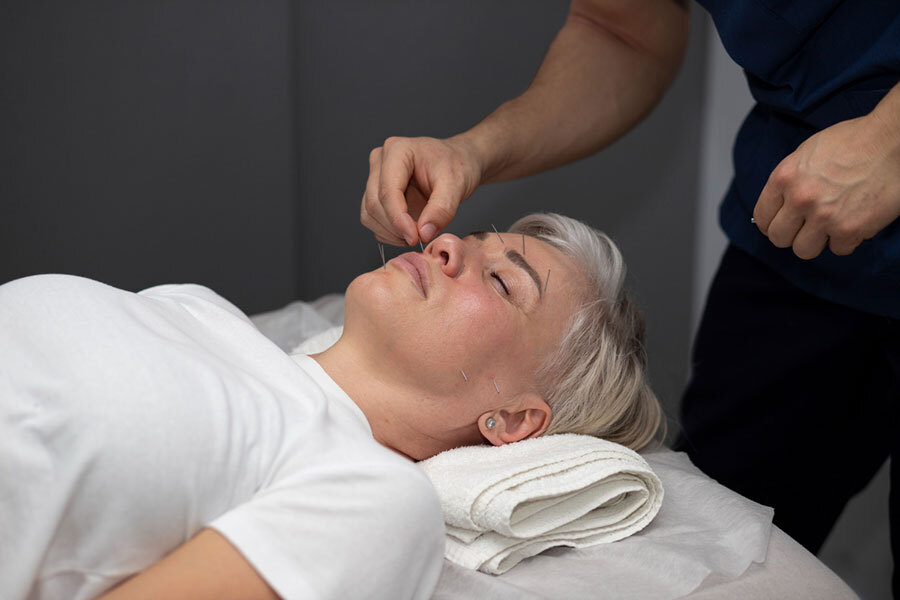
During facial rejuvenation or cosmetic acupuncture, fine needles are placed in specific areas of the face and body while the client lies in a relaxed position on a massage table. The needles are left in for at least 30 minutes.

Anne Marie Lally has been getting cosmetic acupuncture for about three years now. “I’ve quite a tense face and it helps plump up my face again and eases out the lines on my forehead,” she says.

“People say I look really rested and not as drawn looking after I have a session. My skin really glows and the effects last for about a week.”

Lally, who is in her 30s, has never had a series of acupuncture facial rejuvenation sessions, but instead goes from time to time before a special event or at Christmas time.

“It doesn’t hurt having the needles put into your face. Sometimes there would be a slight bruise for a few days but I wear make-up over it,” she adds. “I’d never go for a facial now because I would choose this instead.”

The Acupuncture Council of Ireland warns that facial rejuvenation acupuncture is not recommended for anyone with diabetes and high blood pressure. Pregnant women, those with pituitary disorders and migraine sufferers should also avoid it. It shouldn’t be given to anyone with a bout of flu, allergic reaction or a cold.

Holistic massage therapist Bernie Traynor has introduced an alternative natural facelift treatment that may suit those who don’t like the idea of needles in their faces. Based in the Dublin Naturopathic Centre, Traynor incorporates manual lymphatic drainage techniques, Indian head massage and acupressure into the treatment.

“I’m principally trained as a holistic massage therapist, but in holistic massage therapists tend not to go near the face and scalp, but I believe we hold a lot of tension in our scalps. I’ve added manual lymphatic drainage to the treatment because the lymphatic system can be sluggish for many people and gentle touching on the face can help get the lymph flowing again,” she adds.

Acupuncturists don’t claim to alter the face in ways that cosmetic surgery can, but there is plenty of anecdotal evidence to suggest that cosmetic acupuncture can rejuvenate skin and muscle tone.

With tightening budgets, these holistic facelifts may well become fashionable as the costs – and potential risks – of cosmetic surgery give way to gentler approaches to beauty.

NATURAL FACELIFT: HOW IT FEELS 

THE PROSPECT of a natural facelift in early January sounded very attractive. So, on a grim workday morning, I went along for the one-hour treatment. The idea was that at various meetings throughout the day and with my family later, I could gauge the results.

The treatment started with a 10-minute gentle neck and shoulder massage. Although the therapist mentioned that I had quite a bit of tension across my shoulders, she didn’t do any deep tissue work.

During the next 10 minutes or so, she gently touched various lymph nodes on my face, moving on to light pressure and gentle stretching movements on my chin, my eyebrows, my cheek bones and forehead.

She then massaged the scalp of my upper head, which I found to be the most enjoyable part of the treatment. In fact, I would have liked the head massage to have extended to the back of my head as well.

She ended the treatment with fluttering finger movements all over my face, which reminded me of someone playing the piano and seemed to echo the music that played in the background.

I felt my face looked clearer and more open immediately after the treatment and I noticed that a few small spots on my cheeks disappeared later that day.

However, not one person I met throughout the day commented on my face. It was the perfect qualitative piece of research: no one knew I was having a natural facelift, but no one noticed that I had had one.

As I turned in that night, I looked expectantly in the mirror again, only to conclude that a brisk walk or even a swim would have left more of a glow on my face.

http://www.irishtimes.com/newspaper/health/2010/0119/1224262627938.html

This information is brought to you by Dr. XiPing Zhou, M.D.O.M., L.Ac. Dr. Zhou is founder & president of East West Healing Arts Institute Massage School, Dr. Zhou’s Acupuncture & Pain Management Clinic, Madison Family Wellness Community Clinic,  The Herbal Palace, & China Delight Tours. Visit anyone of these websites to learn about Chinese medicine and culture.

Acupuncture Facial Rejuvenation Could Be For You

Tuesday, January 12th, 2010

Would you like to feel better, look younger and reduce stress?

For centuries, Oriental women have used acupuncture to improve their appearance and wellbeing. Now this ancient treatment is available in Madison County. Sterile, disposable, extra-fine needles are inserted into the face and scalp, as well as other areas of the body, depending on health issues. The result is deep relaxation, increased energy and a glowing complexion.

Most people look and feel more radiant in three to five treatments.

Acupuncture works on the principal of self-healing, allowing the body’s energy or Qi (Chi) to flow more easily, detoxifying vital organs, and releasing the brain’s own pain-relieving neurotransmitters. There are also documented local effects on soft tissues involving increased circulation and decreased inflammation.

Side effects are minimal and include minor bruising or bleeding. Pregnancy and hemophilia are the only strict contraindications to acupuncture.

Many chronic diseases can be helped by acupuncture at the same time one is having facial rejuvenation. These include arthritis, pain, headaches, stress, insomnia, hot flashes, mood disorders, gastrointestinal problems, allergies, sinusitis, asthma and more. The beauty of Oriental medicine is that many problems can be addressed in one session, versus taking a host of medications for different ailments.

Visit the web site of the American Academy of Medical Acupuncture at medicalacupuncture.org for more information.

This information is brought to you by Dr. XiPing Zhou, M.D.O.M., L.Ac. Dr. Zhou is founder & president of East West Healing Arts Institute Massage School, Dr. Zhou’s Acupuncture & Pain Management Clinic, Madison Family Wellness Community Clinic,  The Herbal Palace, & China Delight Tours. Visit anyone of these websites to learn about Chinese medicine and culture.